
 EN
EN

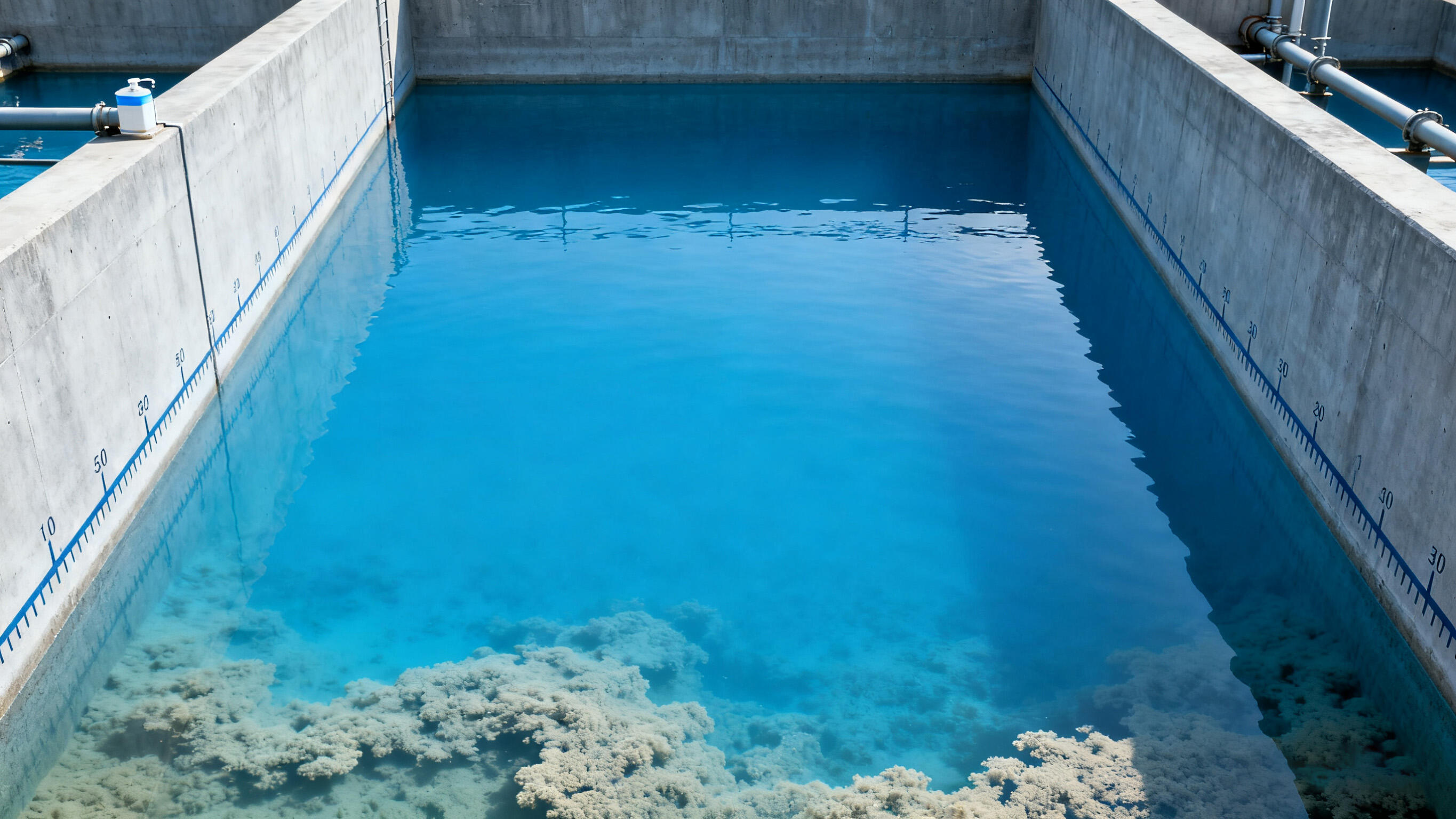
How Aluminium Sulfate Functions as a Coagulant in Water Treatment
Understanding Coagulation and the Role of Aluminium Sulfate in Destabilizing Suspended Particles
Water treatment starts with coagulation, a process that brings together tiny impurities so they can be removed later. Alum works really well here because when it dissolves, it releases those trivalent aluminum ions (Al³⁺) that basically cancel out the negative charges on stuff floating around in the water like clay particles, bits of organic material, and even some harmful microbes. When these charges get neutralized, the particles stop repelling each other and start sticking together during the fast mixing phase which usually takes about a minute or two. Most water treatment plants find that alum gives best results when the water pH is somewhere between 5.5 and 7.5. How much alum needs to go in varies quite a bit though, typically anywhere from 50 to 300 milligrams per liter depending on how murky the water is and what kind of contaminants are present.
Chemical Mechanism of Aluminium Sulfate in Forming Flocs and Removing Impurities
After charges are balanced out, alum starts breaking down through hydrolysis which creates aluminum hydroxide (Al(OH)3). This substance forms into a gel-like solid that's really good at grabbing onto stuff we want to remove from water. As these little clusters called flocs develop, they can reach sizes between half a millimeter up to three millimeters. That makes them settle down nicely in treatment tanks. When everything works right, this method gets rid of around 85 to almost all the cloudiness in water samples and takes care of roughly two thirds to four fifths of those pesky organic compounds too. Studies show these hydroxide flocs stick to various dissolved pollutants like phosphate ions and different types of heavy metals by forming bonds on their surfaces. This sticking action actually boosts how well the whole purification system works overall.
Comparison with Alternative Coagulants: Efficiency, Cost, and Practical Considerations
| Coagulant | Turbidity Removal | Cost (per kg) | Sludge Volume | Best Use Case |
|---|---|---|---|---|
| Aluminium Sulfate | 85–95% | $0.30–0.50 | Moderate | Municipal drinking water |
| Ferric Chloride | 90–98% | $0.45–0.75 | Low | Wastewater phosphorus removal |
| Synthetic Polymers | 95–99% | $1.20–2.00 | Minimal | High-precision industrial systems |
Ferric chloride can remove almost all phosphorus from water, sometimes as much as 98%, which is way better than alum that manages around 70 to 85%. The downside though is that ferric chloride eats away at pipes and equipment so much faster, meaning municipalities end up spending extra on repairs and replacements. Synthetic polymers are another option that gives really clear water with not much sludge left behind after treatment, but these materials come with price tags that make them impractical for most everyday wastewater plants. That's why many cities still stick with alum despite newer alternatives. Alum has been around for decades, works reliably without complicated setup procedures, and doesn't break the budget like some of the fancier options do. For cash-strapped local governments dealing with aging infrastructure, sticking with what they know makes sense even if it isn't technically the best performer out there.
Environmental Concerns: Residual Aluminum and Long-Term Safety in Treated Water
The World Health Organization has established a maximum allowable level of 0.2 milligrams per liter for leftover aluminum in tap water because there are concerns about possible effects on brain function over time. Water treatment facilities that use newer filtering techniques can cut down on these aluminum traces by around 70 to maybe even 90 percent when compared with older approaches. Keeping track of pH levels throughout the process and adding an extra step with special membranes after treatment helps ensure we stay within those safe limits set by health authorities. This keeps people healthy without making the whole purification process any less effective.
Improving Water Clarity and Removing Turbidity in Municipal Water Systems
Aluminum sulfate remains a common choice for treating water in cities because it can cut down cloudiness in the water by around 90% or so. What happens is that it cancels out the electrical charges on tiny particles such as clay bits, fine dirt, and even small organisms floating around in the water supply. These particles then clump together forming bigger flakes that settle out more easily. Research published back in 2021 indicated that when applied properly, the turbidity level drops under 0.3 NTU which actually meets those World Health Organization guidelines for clear drinking water. The fact that this works so well means less strain on filters further along in the system. Plants run better overall and save money too, especially important for big city water systems serving millions of people every day.
Removal of Organic Matter, Pathogens, and Heavy Metals Through Coagulation
The way alum works when it comes to coagulation means it can take out all sorts of different contaminants at once. Organic stuff that's dissolved in water sticks to those aluminum hydroxide flocs forming during treatment. And bacteria like E. coli plus parasites such as Giardia get caught up physically in this process too. When the pH stays around 6.5 to 7.5, research indicates removal rates between 85% and 92% for heavy metals including lead, arsenic, and chromium. What makes this approach so valuable is that it handles multiple pollutants together, cutting down on extra disinfection needs. Still, getting the dosage right matters a lot because if there's too much leftover aluminum, it could go over the safe limit of 0.2 mg per liter which isn't good for anyone.
Enhancing Sedimentation and Filtration Efficiency Post-Alum Treatment
When treated with alum, flocs tend to settle about 40 to 60 percent quicker in sedimentation basins compared to particles without treatment, which makes the separation of solids much better. The faster settling means filters get clogged less often, so they can run longer before needing cleaning, cutting down on backwashing by around 30%. What's interesting is how the sticky consistency of aluminum hydroxide flocs works like an extra filter layer inside sand beds. These flocs grab tiny particles smaller than a micrometer that somehow slipped past during the first coagulation stage. All these improvements together mean that good quality treatment systems can actually remove more than 99.9% of all particulates from the final water output.
Effective Phosphorus Removal in Municipal and Industrial Wastewater
Alum works pretty well at taking out phosphorus thanks to those ligand exchange reactions we talk about so much in water treatment circles. Basically, when Al3+ ions meet up with those orthophosphate ions (PO4^3-), they combine to make aluminum phosphate (AlPO4) that doesn't dissolve in water. This stuff then settles down and gets filtered out mechanically. Looking at data from 45 different wastewater facilities across Europe, researchers saw that using alum brought down total phosphorus levels under 0.5 mg/L in about 88 percent of these plants. That actually meets what the EU Water Framework Directive requires for clean water standards. The stuff really shines in treating waste streams from food processors and textile manufacturers since their runoff tends to have crazy high phosphorus levels, sometimes going way above 15 mg/L in concentration tests.
Reducing Turbidity and Contaminants in High-Load Wastewater Streams
Alum’s dual coagulation-flocculation action makes it suitable for treating complex, high-load wastewater:
- Colloidal Suspensions: Neutralizes negatively charged particles in waters with turbidity exceeding 1,000 NTU
- Heavy Metals: Heavy Metals: Co-precipitates Pb²⁺ and Cr³⁺ via hydroxide formation at pH 9 - 9.5
- Organic Loads: Reduces chemical oxygen demand (COD) by 65-80% in paper mill effluents through binding with lignin and proteins
Field data from seven industrial parks in China show alum achieves 98% total suspended solids (TSS) removal in streams with initial solids content above 5,000 mg/L, demonstrating robust performance under demanding conditions.
Case Study: Successful Implementation in Urban Wastewater Treatment Plants
A European municipal plant serving 1.2 million residents achieved significant improvements after switching to aluminum sulfate coagulation. Processing 300,000 m³/day of wastewater, the facility reported:
| Parameter | Before Alum | After Alum | Improvement |
|---|---|---|---|
| Sludge Volume Index | 120 mL/g | 95 mL/g | -21% |
| Filter Run Time | 8 hours | 14 hours | +75% |
| Chemical Costs | €0.18/m³ | €0.11/m³ | -39% |
Over an 18-month trial, the plant maintained residual aluminum levels below 0.2 mg/L while achieving 94% phosphorus removal and 82% COD reduction, confirming alum’s effectiveness and economic viability in large-scale wastewater management.
Optimizing Aluminium Sulfate Performance: Dosage, pH, and Water Conditions
Ideal pH Range and Dosage Strategies for Maximum Coagulation Efficiency
The best results for coagulation happen when the pH level stays between about 5.5 and 7.5. Within this range, the process becomes much more efficient, sometimes improving by as much as 40 to 60 percent compared to what happens outside these numbers. When it comes to how much alum to use, most treatments call for somewhere between 5 and 200 milligrams per liter. But if the water is really muddy or has lots of contaminants, some situations might need as high as 500 mg/L. To find out exactly what works best at a particular location, jar testing remains one of the most reliable methods available. This helps avoid using too much alum which can leave behind excess aluminum in the water beyond the World Health Organization's safe limit of 0.2 mg/L. Once the pH goes above 7.5 though, things start going wrong because aluminum hydroxide becomes less soluble. This makes it harder to form proper flocs and ultimately reduces how well the whole treatment works overall.
Influence of Water Temperature, Alkalinity, and Ionic Composition
Water that stays below 10 degrees Celsius really slows down how fast reactions happen during treatment processes. This means flocs form much slower, sometimes taking anywhere from 30 to 50 percent longer than normal, and operators have to mix things for extended periods too. When it comes to alkalinity levels, they play a big role in keeping the system from getting too acidic after adding alum. If alkalinity drops below 50 milligrams per liter as calcium carbonate, most treatment plants end up needing extra lime or soda ash just to keep the pH stable enough for proper operation. Another challenge appears when there's high ionic strength in the water, above 1000 microsiemens per centimeter. This condition actually squishes those tiny electrical layers around particles, making them clump together less effectively. The result? Coagulation works about 40 percent worse under these conditions. All these variables point to why having good real time monitoring systems makes such a difference, particularly for facilities dealing with changing water qualities throughout different seasons.
Advantages and Challenges of Using Aluminium Sulfate in Water Treatment
Key Benefits: Cost-Effectiveness, Reliability, and Versatility Across Treatment Systems
Alum, or aluminium sulfate, stands out as a budget-friendly and dependable coagulant used throughout many water treatment facilities, both municipal and industrial settings alike. Compared to options such as ferric chloride, it cuts down on running expenses by roughly 30 to 50 percent, all while keeping removal rates above 95% for things like turbidity and harmful pathogens. What makes this substance so versatile is how well it works whether dealing with tiny rural water systems or large city treatment plants. Operators can adjust dosages based on what kind of water quality they're facing day to day. When the pH levels stay within the sweet spot range of about 5.5 to 7.5, alum manages to eliminate around 70 to 90% of those pesky organic contaminants. And let's face it, when money matters most, alum often beats out PAC solutions hands down for facilities watching their budgets closely.
Common Limitations: Sludge Generation, pH Adjustment Needs, and Environmental Considerations
Alum does come with some downsides though. It creates around 15 to 30 percent more sludge compared to synthetic polymers, which means higher disposal costs and more complicated logistics for waste management. When alum breaks down in water treatment processes, it actually lowers the pH level. To counteract this effect, water treatment facilities have to spend money on alkaline substances like lime. These chemical purchases can take up nearly 20% of their overall operating budget just to keep the water at the right acidity level. Environmental regulators are keeping a close eye on how much aluminum remains in treated water after processing, so sticking to the World Health Organization's recommendation of no more than 0.2 mg per liter becomes essential. The good news is recent research shows that when operators fine tune their dosing methods and pair them with newer filtration systems, they can cut down sludge creation by about 40%. This approach also helps meet those important EPA and AWWA standards for safe drinking water without compromising quality.
FAQs
What is the main role of aluminium sulfate in water treatment?
Aluminium sulfate acts as a coagulant in water treatment, helping to destabilize suspended particles so they can be effectively removed through further treatment processes.
How does aluminium sulfate affect the pH levels of treated water?
Aluminium sulfate tends to lower the pH levels of treated water, which is why facilities often need to add alkaline substances like lime to maintain the optimal pH range for effective treatment.
Are there environmental concerns associated with using aluminium sulfate?
Yes, residual aluminum in treated water is a concern, as it can have potential health impacts. Thus, treatment systems aim to keep residual levels below 0.2 mg/L as recommended by the World Health Organization.
Why is aluminium sulfate preferred over other coagulants despite its limitations?
Aluminium sulfate is cost-effective, reliable, and versatile, which makes it a preferred choice for many municipalities, especially those with budget constraints and existing infrastructure.
Table of Contents
-
How Aluminium Sulfate Functions as a Coagulant in Water Treatment
- Understanding Coagulation and the Role of Aluminium Sulfate in Destabilizing Suspended Particles
- Chemical Mechanism of Aluminium Sulfate in Forming Flocs and Removing Impurities
- Comparison with Alternative Coagulants: Efficiency, Cost, and Practical Considerations
- Environmental Concerns: Residual Aluminum and Long-Term Safety in Treated Water
- Improving Water Clarity and Removing Turbidity in Municipal Water Systems
- Removal of Organic Matter, Pathogens, and Heavy Metals Through Coagulation
- Enhancing Sedimentation and Filtration Efficiency Post-Alum Treatment
- Effective Phosphorus Removal in Municipal and Industrial Wastewater
- Reducing Turbidity and Contaminants in High-Load Wastewater Streams
- Case Study: Successful Implementation in Urban Wastewater Treatment Plants
- Advantages and Challenges of Using Aluminium Sulfate in Water Treatment