
 EN
EN

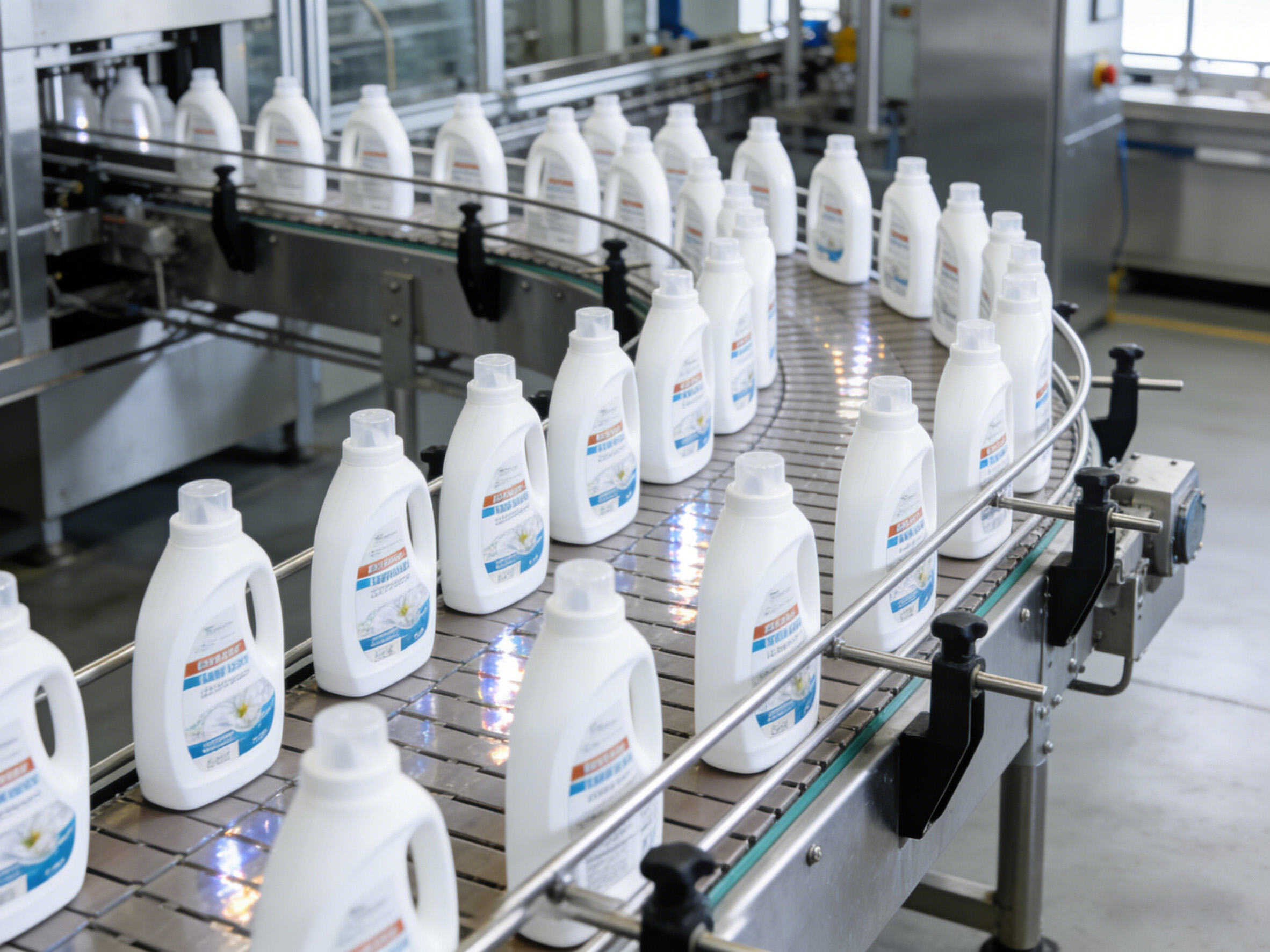
Sodium Sulfate as a Functional Filler: Balancing Bulk, Stability, and Integrity
Controlling bulk density and powder morphology for consistent dosing
Sodium sulfate regulates detergent powder density by filling interstitial voids between active ingredients, yielding uniform particle geometry critical for automated dispensing. This controlled morphology supports ±2% dosing accuracy on high-speed packaging lines and prevents segregation during transport. An optimal bulk density of 0.4–0.6 g/cm³ delivers ideal flow without compromising dissolution.
Mitigating caking and ensuring long-term storage stability
Sodium sulfate's ability to attract moisture makes it great at absorbing leftover water in products, which helps control humidity levels and stops liquid bridges that cause materials to cake together. The anhydrous version works best when the air is below around 79% humidity at room temperature, performing well in tropical climates or humid industrial settings. Proper usage ensures materials remain free-flowing without clumping for nearly three years.
Avoiding overuse: How excessive sodium sulfate compromises granule strength and dissolution
When concentrations exceed 15% weight per weight, sodium sulfate causes significant issues. Surfactants bind less effectively, weakening granule integrity, and increased ionic strength hinders osmotic processes. Lab tests reveal formulations with elevated sodium sulfate take 42% longer to dissolve and have 18% more granule cracks under vibration during handling or transport. These impact product quality, highlighting the importance of careful measurement.
Boosting Manufacturing Efficiency with Sodium Sulfate
Improving Flowability and Handling During Spray Drying and Dry Blending
Sodium sulfate enhances powder flowability by reducing particle adhesion, preventing problems like hopper obstructions or blocked transfer lines. Consistent flow is crucial for spray drying, enabling stable droplet formation and reducing rejected products by ~15%. In dry blending, the improved flow accelerates mixing and ensures even ingredient distribution, maintaining dosing accuracy when filling machines are used. This results in fewer production stoppages and higher output.
Lowering Specific Energy Consumption in Powder Processing
Freely flowing sodium sulfate powders reduce mechanical stirring requirements, decreasing motor workload by ~15% in actual plant conditions. Less particle adhesion generates less heat during air transport, lowering cooling costs. Specifically in spray drying towers, enhanced atomization cuts thermal energy usage by ~9% per batch. These efficiencies extend across production, with thinner slurries needing less pumping force and drying faster, minimizing costs and environmental impact.
Economic Optimization: Cost Savings Without Compromising Performance
Sodium sulfate cuts raw material costs by 8-12% when used instead of pricier surfactants and builders, maintaining cleaning power if used below 15% weight per weight. Exceeding this limit slows dissolution and weakens granule integrity, increasing waste and reformulation costs. Optimal sodium sulfate use balances volume contribution and product functionality, enabling savings without hurting consumer trust or brand reputation.
Sodium Sulfate Compatibility in Modern Detergent Systems
pH buffering effects and implications for enzyme stability and surfactant synergy
Sodium sulfate provides gentle alkaline buffering, keeping formulations around pH 9-10, ideal for enzyme (protease and lipase) stability during storage, maintaining 95% activity through shelf life. Sodium sulfate's ions reduce critical micelle concentration (CMC) of anionic surfactants by ~30%, allowing for 15-20% reduced surfactant loads while retaining stain removal efficacy. Maintaining sodium sulfate below 15% weight per weight prevents enzyme-surfactant imbalance and dissolution issues. Additionally, being chloride-free makes it compatible with biodegradable surfactant systems and prevents corrosion in stainless steel manufacturing equipment.
FAQ Section
What is the optimal concentration of sodium sulfate in detergent formulations?
The optimal concentration of sodium sulfate is below 15% weight per weight to prevent compromising granule strength and dissolution rates.
How does sodium sulfate improve detergent efficiency during manufacturing?
Sodium sulfate improves flowability and reduces adhesion among particles, leading to enhanced product consistency, fewer production stoppages, and lower rejected product rates during manufacturing.
Can sodium sulfate usage reduce manufacturing costs?
Yes, substituting sodium sulfate for more expensive ingredients can reduce raw material costs by 8-12%, balancing economic savings with product performance.