
 EN
EN

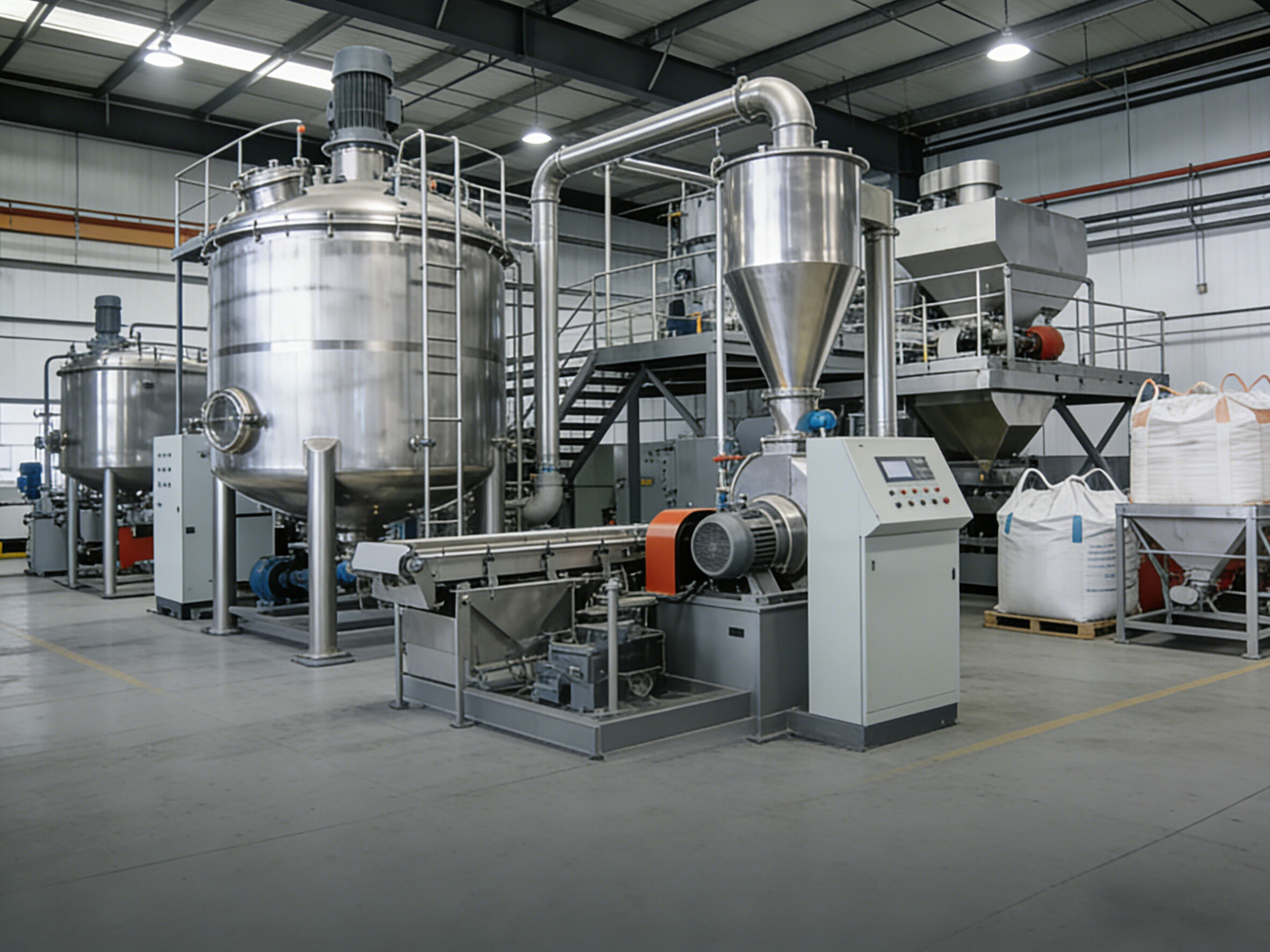
Understand Calcium Chloride Forms and Physical Properties
Liquid vs. Solid Calcium Chloride: Matching Form to Function in Deicing, Desiccation, and Oilfield Operations
When choosing between liquid and solid calcium chloride products, industrial folks typically look at what their particular job requires. Liquid versions work fast because they spread out quickly and can lower freezing temperatures down to around minus 60 degrees Fahrenheit (that's about minus 51 Celsius). These are great for getting ahead of winter storms by treating roads and airport runways before snow hits. For the solid stuff like pellets, flakes, or those little prill shapes, they tend to absorb moisture at a controlled rate which makes them good for drying systems and slowly dissolving into drilling mud mixtures. Oil field workers often go for anhydrous pellets since these help keep water levels low in fracking fluids, whereas hydrated flakes make better brine solutions that stay stable over time. What form gets picked really depends on how fast it needs to dissolve, how easy it is to store, and whether the equipment can handle it properly. Liquids just pour right into spray rigs, while solids work well with big spreader trucks or inside those sealed containers used for desiccants.
Particle Size, Hydration State, and Flow Characteristics Impact Handling, Storage, and Dissolution Efficiency
The physical characteristics of calcium chloride have a major impact on how well it performs throughout its entire lifecycle. When we look at fine powders under 1mm in size, they tend to dissolve fast but come with problems like dust creation and caking issues. This means special storage solutions with controlled humidity are needed for applications where dust control matters most. On the other hand, larger pellets ranging from 3 to 8mm work better in automatic spreading equipment because they flow more easily, although these take longer to dissolve when used in water treatment processes. The form of hydration makes all the difference too. Dihydrate versions (CaCl2·2H2O) generally stay stable even in moist conditions without forming lumps, while anhydrous forms need proper moisture protection during storage. Getting the right flow angle below 35 degrees helps avoid those frustrating hopper blockages. And let's not forget about bulk density which ranges between 0.8 and 1.2 grams per cubic centimeter this factor really matters for both transportation logistics and accurate dosing requirements. Better specification choices can actually save money by reducing waste. Take low-dust pellets for instance research published in Industrial Minerals Journal last year showed these can slash airborne losses by around 40% during the loading process alone.
Select the Correct Calcium Chloride Grade for Compliance and Performance
Technical, Road, Food-Grade, and Oilfield-Specific Calcium Chloride: Purity Standards, Impurity Limits, and Regulatory Requirements
Getting the right grade for each application is essential for meeting regulations and keeping things running smoothly. Technical grade calcium chloride typically has around 77% purity with up to 5% insolubles, making it suitable for dust control on construction sites and accelerating concrete setting where small amounts of impurities won't hurt much. For roads, manufacturers follow ASTM D98 standards because they need products that lower freezing points effectively while still controlling chloride levels so bridges and roads don't corrode too fast. When it comes to food applications, the FCC sets strict rules for calcium chloride used in cheese production and beer brewing. These require at least 94% purity, lead content below 10 parts per million, and complete tracking documentation for FDA inspections. Oilfield operations have their own special requirements under API RP 13B-1 standards, demanding extremely low insoluble material (less than 0.1%) and careful monitoring of bromide content to avoid damaging underground formations during drilling. The presence of certain impurities makes a big difference in real world performance too. Magnesium in road salt can actually reduce how well it melts ice, while sulfates build up as scale in oilfield brines, cutting equipment lifespan and causing headaches for operators trying to stay compliant with environmental regulations.
Assess Critical Quality Metrics for Reliable Industrial Performance
Why 77% Calcium Chloride Purity and <0.5% Insolubles Are Essential for Concrete Acceleration and Water Treatment
When calcium chloride reaches at least 77% purity, it gives reliable results for speeding up concrete hydration processes. Anything below that mark starts causing problems with setting times and might cut down compressive strength by around 15% when used in actual construction projects. For water treatment applications, anything over 0.5% insoluble content leads to serious issues. Membranes get fouled during reverse osmosis operations, filters clog up way too soon, and the whole system loses its ability to properly exchange ions. These minimum quality standards aren't just arbitrary numbers they're there to keep infrastructure from failing and saving money in the long run. Facilities dealing with contaminated products often see their yearly water treatment expenses jump by approximately $40,000 each year, which adds up fast across multiple sites.
Corrosion Risk and Material Compatibility: Evaluating Calcium Chloride's Effect on Metals, Elastomers, and Plastics
Calcium chloride's hygroscopicity promotes electrolyte formation, accelerating corrosion—especially in high-concentration or elevated-temperature environments. Compatibility testing shows:
| Material Type | Compatibility Rating | Mitigation Strategy |
|---|---|---|
| Carbon Steel | Low | Epoxy coatings or cathodic protection |
| Stainless Steel 316 | High | None required below 25% concentration |
| EPDM Elastomers | Moderate | Limit exposure to <50°C |
| HDPE Plastics | High | Avoid mechanical stress at joints |
Unprotected carbon steel corrodes at ~0.8 mm/year in 30% calcium chloride solutions. For concentrations above 20%, fluorocarbon elastomers and fiber-reinforced polymers are recommended to maintain seal integrity and structural reliability.
Apply a Use-Case-Driven Selection Framework Across Key Industries
Dust Control, Snow & Ice Management, Humidity Control, Cement Acceleration, and Drilling Fluids: Prioritizing Performance Criteria by Application
Choosing the right calcium chloride product really comes down to what it will be used for. When dealing with dust suppression work, look for products with strong hygroscopic properties and fine particles that can hold onto moisture on surfaces better. For winter maintenance operations, fast dissolving formulas that work below minus 20 degrees Fahrenheit are absolutely essential. Systems controlling humidity need materials that dissolve consistently over time while keeping alkali chloride content under 0.1 percent to avoid damaging equipment components. Concrete mix accelerators should contain at least 77 percent pure calcium chloride with minimal insoluble material remaining so the concrete gains proper strength as it cures. Drilling fluids call for concentrated brine solutions where sulfate levels stay below 500 parts per million to maintain stable wellbores and protect against formation damage. Every specific application creates its own set of priorities when selecting calcium chloride products there simply isn't one size fits all solution across different industries.
FAQ
What are the different forms of calcium chloride?
Calcium chloride can be found in liquid form as well as solid forms such as pellets, flakes, and prills.
Which calcium chloride form is ideal for road deicing?
Liquid calcium chloride is optimal for road deicing as it acts quickly to lower freezing temperatures effectively.
Why is hydration state important in calcium chloride?
Hydration state affects the stability and dissolution rate of calcium chloride, which is crucial for its performance in various applications.
What is the recommended purity for food-grade calcium chloride?
Food-grade calcium chloride requires at least 94% purity, adhering to strict FCC guidelines.
How does calcium chloride cause corrosion?
Calcium chloride's hygroscopic nature aids in forming electrolytes that accelerate metal corrosion, especially under high temperatures or concentrations.