
 EN
EN

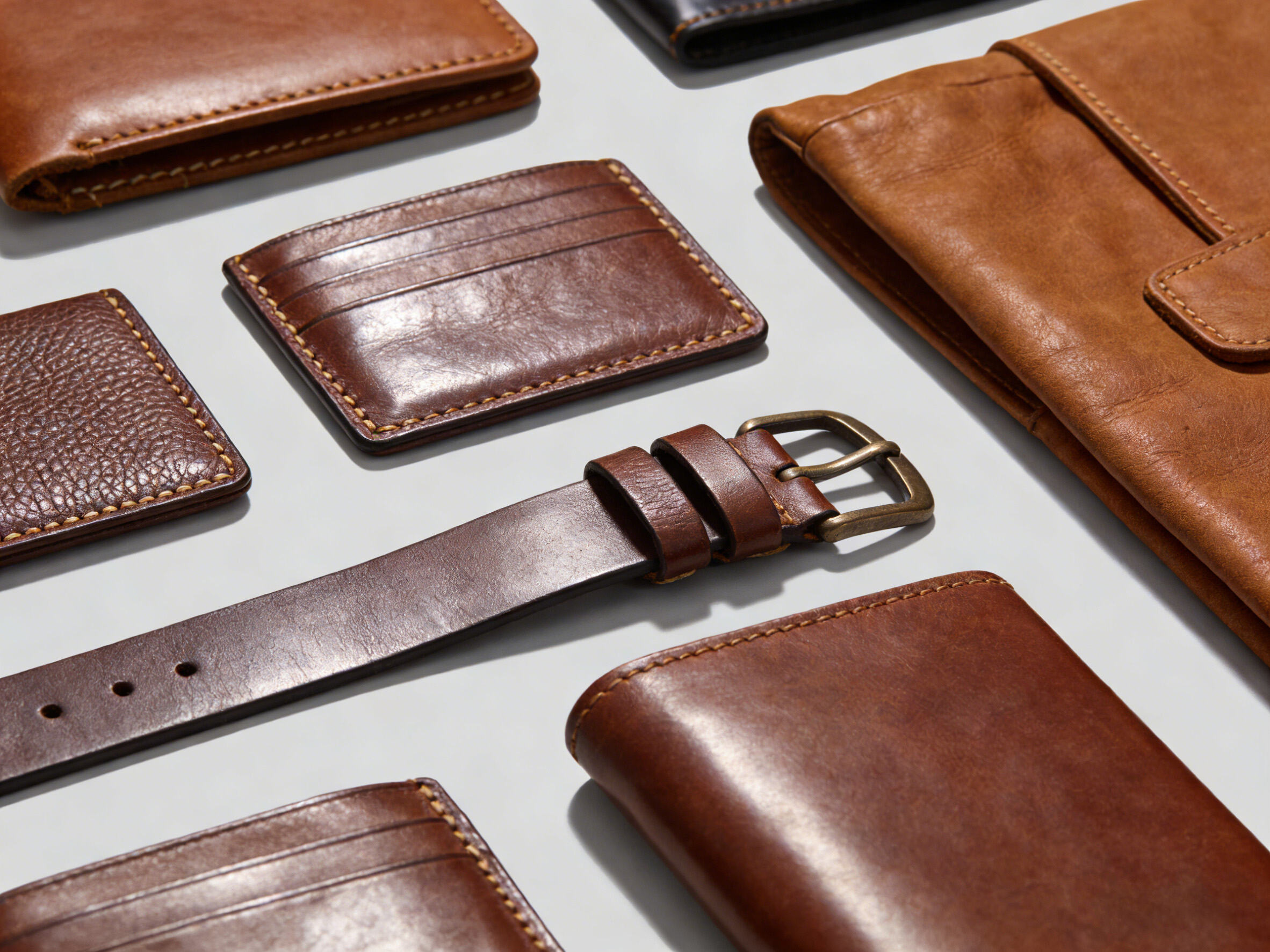
How Basic Chromium Sulfate Enables Superior Chrome Tanning
Coordination Chemistry: Cr(III) Binding to Collagen Carboxyl Groups
Chromium sulfate works by using trivalent chromium ions (Cr(III)) to turn raw animal hides into strong leather through what chemists call coordination bonding. During the tanning process, these Cr(III) ions bond stably with the carboxyl groups (-COOH) found in collagen fibers throughout the hide. What happens next is pretty interesting - the bonding causes the collagen's natural triple helix structure to rearrange itself, forming something much more stable against heat and resistant to bacterial attack. This is quite different from traditional vegetable tanning methods where only temporary hydrogen bonds form between plant tannins and collagen. With chromium treatment, we get actual covalent bonds that hold up well even when exposed to water for long periods. That's why chrome leather doesn't just look good but actually lasts longer and maintains its shape better than other types of leather on the market today.
Performance Benefits: Enhanced Tensile Strength, Thermal Stability, and Grain Tightness
The covalent crosslinks from Cr(III) binding deliver measurable, application-critical advantages:
- Tensile Strength: Chrome-tanned leather withstands 40% higher stress before tearing compared to aldehyde-tanned alternatives
- Thermal Resistance: Shrinkage temperature exceeds 100°C—enabling use in automotive upholstery, safety footwear, and technical gear
- Grain Refinement: Uniform chromium distribution yields tight, consistent surface patterns ideal for premium footwear and luxury leathers
These properties arise directly from restricted collagen fiber mobility without loss of flexibility—striking a balance essential for both performance and aesthetics.
Environmental Safety and Regulatory Compliance of Basic Chromium Sulfate
Trivalent vs. Hexavalent Chromium: Why Basic Chromium Sulfate Is Inherently Low-Risk
The basic form of chromium sulfate actually contains just trivalent chromium, known as Cr(III). This type of chromium stays pretty stable chemically, plays an important role in our bodies at very small levels, and generally doesn't cause much harm systemically. On the flip side, we have hexavalent chromium or Cr(VI), which has been proven to cause cancer in humans. It moves around easily in the environment and gets absorbed by living organisms quite readily. Both the Environmental Protection Agency here in the US and the European Union through their REACH regulations consider Cr(III) compounds to be relatively safe as long as workers follow proper safety protocols on the job site. What makes Cr(III) so much safer? Well, it doesn't pass through cell membranes very well and tends to create insoluble substances like hydroxides or bind with organic matter, which significantly reduces how much people might come into contact with it. Because of these characteristics, most of the leather tanning industry worldwide relies on Cr(III) as the standard for what they call safe and practical mineral tanning processes.
Wastewater Management: Reducing Cr(III) Discharge via pH Control and Precipitation
Cr(III) isn't exactly dangerous stuff, but managing it properly still counts as essential business practice for tanneries everywhere. Most operations get rid of over 95% of chromium by adjusting the pH level in their wastewater to around 8.5 to 9.0. This makes the soluble Cr(III) form into chromium hydroxide particles that settle out. After treatment, the sludge gets filtered or spun off through centrifuges before being disposed of in landfills. Some forward thinking companies actually recycle this material now instead of just throwing it away. Better equipped plants install continuous pH monitors and automatic chemical feeders so they stay well within those strict discharge regulations, typically keeping levels under 2 mg/L. The really smart ones invest in closed loop systems too. These setups can grab back nearly all the chromium - sometimes as much as 98% - for future use. Not only does this cut down on yearly expenses by roughly seven hundred forty thousand dollars, but it also keeps everything in line with what the EPA requires from industrial operations.
Optimizing Basic Chromium Sulfate Usage for Cost-Effective, Consistent Results
Dosage, Basification, and Penetration Control in Drum Tanning
Getting good results really depends on controlling three main factors that work together: how much we put in, adjusting the base level, and the way things move around. We generally need between 8 and 12 percent of basic chromium sulfate relative to the weight of the hide to get proper saturation without going overboard. When we raise the pH slowly from around 2.8 up to somewhere between 3.6 and 3.8, something interesting happens - those moving Cr(III) particles actually bind themselves to the fibers, which makes the tanning last longer and improves how stable everything stays when heated. The speed at which the drum rotates affects how deep the treatment goes too. Slower rotations at about 4-6 revolutions per minute let the chemicals work their way through evenly across the whole hide. Faster speeds between 8-12 rpm create a different effect where most of the action happens near the surface, giving leather a firmer texture with tighter grain patterns. Keeping temperatures steady around 35 to 40 degrees Celsius is also important because it helps reactions happen properly without damaging the hides themselves.
Synergies with Fatliquors and Retanning Agents for Full-Grain Performance
Post-tanning synergies unlock the full potential of chromium-tanned leather. Sulfonated fatliquors penetrate the stabilized collagen network, lubricating fibers to improve flex resistance and increase ultimate elongation by up to 40%. When combined with acrylic retanning agents:
- Grain tightness improves through selective gap-filling in the collagen matrix
- Tensile strength increases by 25% over chrome-only tanning
- Finishing chemical demand drops by 15%, lowering cost and environmental footprint
Together, these treatments yield full-grain leather with exceptional dye uniformity, abrasion resistance, and long-term shape retention—meeting the exacting standards of high-end footwear, furniture, and automotive markets.
FAQ
What is Basic Chromium Sulfate used for in leather tanning?
Basic Chromium Sulfate is used in the chrome tanning process to convert raw animal hides into durable leather. It creates stable covalent crosslinks with collagen, enhancing tensile strength, thermal stability, and grain tightness.
What are the environmental impacts of using Chromium in tanning?
The industry mainly uses trivalent chromium, which is less harmful and considered safe if handled properly. Effective wastewater management and recycling processes are vital to minimizing discharge and adhering to environmental regulations.
How does Chromium Sulfate compare to traditional vegetable tanning?
Chromium sulfate tanning provides more durable and lasting leather due to covalent bonds, unlike vegetable tanning, which relies on weaker hydrogen bonds. This results in superior resistance to heat and water.
Why is trivalent chromium considered safer than hexavalent chromium?
Trivalent chromium is more stable, does not easily penetrate cells, and forms insoluble compounds, reducing exposure risk, unlike hexavalent chromium, which is carcinogenic and more readily absorbed in the environment.