
 EN
EN

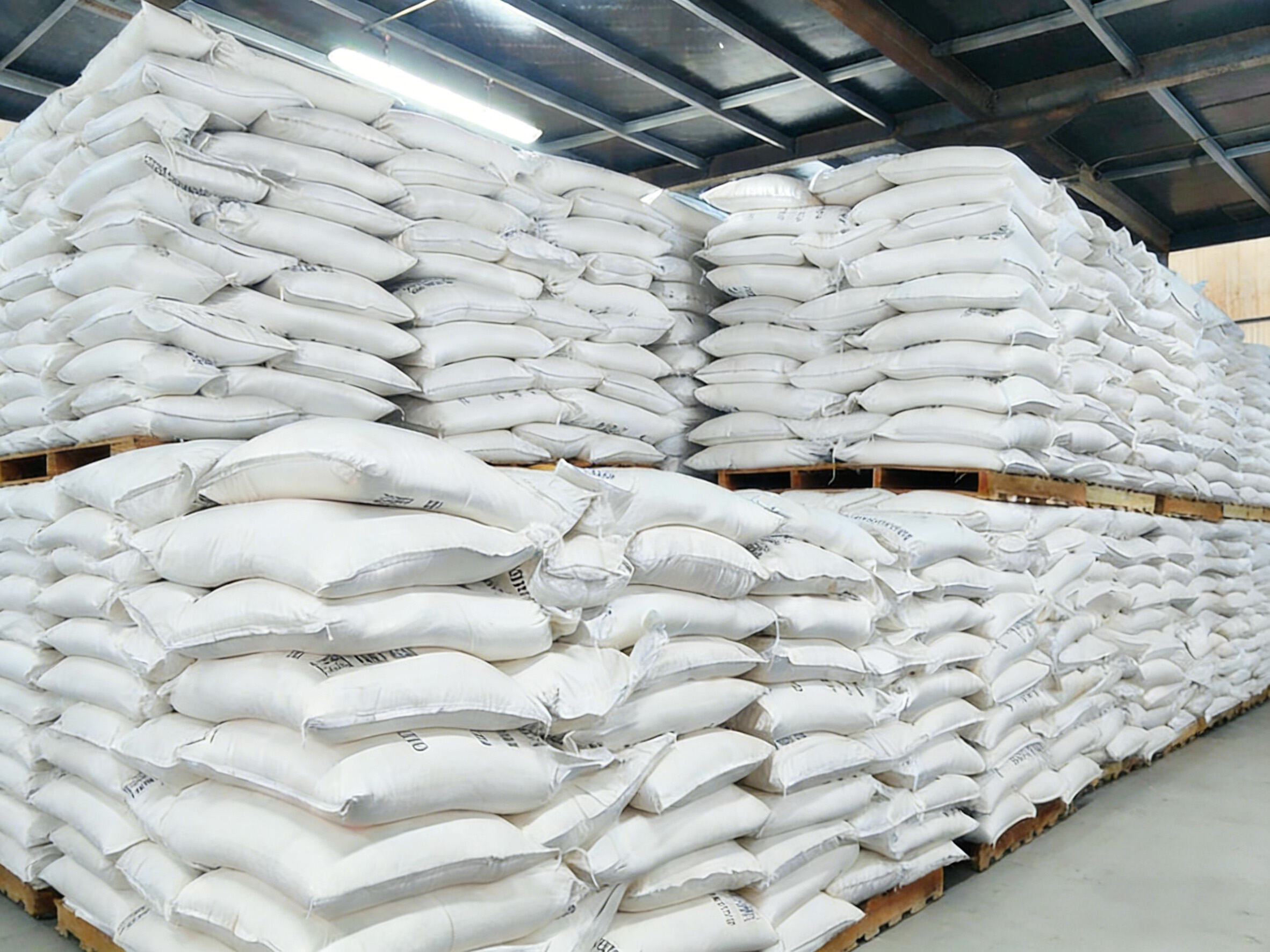
Why Calcium Chloride Demands Specialized Storage Conditions
The Hygroscopic and Deliquescent Nature of Calcium Chloride
Calcium chloride grabs moisture from the air like nobody's business, even when humidity drops below 60%. This happens because of how strongly its ions bond with water molecules. When humidity creeps above 30%, something interesting occurs. The solid starts dissolving into liquid brine, which means the material breaks down both physically and chemically. This isn't good news for anyone using calcium chloride for things like speeding up concrete curing, controlling dust on roads, or melting ice off sidewalks. Proper storage becomes essential then. Warehouses need tight seals against moisture and temperature control systems that keep relative humidity well under 30% to prevent this breakdown from happening.
Real-World Risks: Caking, Liquefaction, Purity Loss, and Handling Hazards
When storage conditions go bad, we typically see four main problems happening together. First off, materials tend to cake together into big clumps that workers have to break apart manually. This process kicks up all sorts of dust particles when they handle it later on. Then there's the issue with moisture getting absorbed. Left alone, this turns things into liquid messes inside containers, which eats away at metal, causes leaks, and costs companies around $740k per incident according to Ponemon Institute data from last year. Moisture also lets contaminants get in, which waters down whatever active ingredients were supposed to be there, making them less effective for industrial applications. But probably the worst problem comes from leftover brine sitting around. It makes floors slippery and speeds up how fast equipment rusts out. Facilities dealing with this kind of situation report 34% more worker injuries compared to others, OSHA reported back in 2023. All these issues point clearly toward why smart storage solutions matter so much these days instead of just throwing stuff in any old container and hoping for the best.
Key Compliance Notes
- Material properties align with ASTM E1745-17 standards for hygroscopic solids
- Hazard statistics are drawn from authoritative industry reports and contextualize operational risk without brand references
- All guidance reflects field-proven practices validated across bulk chemical handling, infrastructure, and construction sectors
Moisture Control Strategies for Reliable Calcium Chloride Storage
Maintaining <30% RH: Monitoring, Dehumidification, and Environmental Validation
To keep moisture from getting into materials, maintaining relative humidity under 30% is pretty much essential. Having digital hygrometers that are properly calibrated makes all the difference. These devices can send out warnings when conditions start going off track, so problems can be fixed fast before they become major issues. When it comes to keeping spaces dry over time, industrial desiccant dehumidifiers generally work better than those old refrigerant models, particularly where humidity levels tend to fluctuate or stay high. Every three months, running checks with sensors that have NIST traceability helps ensure everything stays within acceptable limits. Adding multiple layers of engineering controls also reduces risks significantly across different environments.
- Airlock entry systems limit ambient air infiltration
- Vapor-barrier flooring with fully sealed joints prevents ground-level moisture migration
- Positive-pressure ventilation directs airflow away from stored material
The protective measures stop problems like caking, turning into liquid, and losing purity. This matters a lot because even just 1% more moisture can cut down how well calcium chloride works by around 15%, according to standard tests for materials that absorb water. Keeping track of data automatically helps with inspections from regulators. Meanwhile, using infrared cameras lets technicians spot hidden condensation issues long before they actually damage the product quality.
Material Compatibility and Corrosion Mitigation for Calcium Chloride
Electrochemical Corrosion Mechanisms and Safe Material Selection (HDPE, FRP, Stainless Steel)
Chloride ions in calcium chloride drive aggressive electrochemical corrosion when moisture is present: anodic metal dissolution occurs alongside cathodic hydroxyl ion generation, resulting in localized pitting and crevice corrosion. In carbon steel containers under humid conditions, corrosion rates can exceed 1.5 mm/year-posing structural and safety risks.
Three materials offer proven resistance:
- HDPE (High-Density Polyethylene): Chemically inert and impermeable to chloride ions; ideal for liners, totes, and secondary containment
- FRP (Fiberglass Reinforced Plastic): Resin matrix blocks ion penetration while retaining mechanical strength in high-RH environments
- 316-grade stainless steel: Molybdenum-enhanced formulation delivers significantly greater chloride resistance than 304 or standard grades
Material selection must account for thermal limits-HDPE softens above 60°C, whereas 316 stainless maintains integrity up to 400°C. For liquid storage, welded FRP seams outperform mechanical joints in preventing leakage. Proactive corrosion management includes annual electrochemical impedance spectroscopy (EIS) to detect early-stage degradation before visible damage occurs.
Packaging-Specific Best Practices for Solid and Liquid Calcium Chloride
Solid Forms: Bags, Drums, FIBCs, and Pails - Liner Integrity and Seal Performance
Solid calcium chloride needs proper moisture protection to maintain its effectiveness. For basic storage requirements, multi wall kraft paper bags lined with certified polyethylene work well enough. When higher protection is needed, sealed drums and pails deliver better barrier properties against humidity. The situation gets trickier with Flexible Intermediate Bulk Containers or FIBCs. These require specially tested PE liners around 150 to 200 microns thick plus heat sealed seams that pass ASTM F392 accelerated aging tests. The consequences of poor sealing are serious though. Once moisture gets in, the product starts to cake together and lose potency rapidly. Even relatively low humidity levels above 30% during storage periods can cut down on the actual usable concentration by as much as a quarter over time.
Liquid Forms: Tank Design, Freeze Protection (-52°C), and Liner Validation Protocols
When dealing with liquid calcium chloride solutions, the storage tanks need to be made from HDPE material or have rubber linings on carbon steel to stand up against the corrosive effects of chlorides. The temperature management is pretty critical too. Heating coils or proper insulation are necessary to keep things above that magic number of minus 52 degrees Celsius, which happens to be the eutectic point where everything starts to freeze and separate into different phases. Regular checks on tank liners should happen at least once a year. These inspections include looking at how thick the lining still is and checking for any defects using methods outlined in standard NACE SP0492. That helps ensure nothing leaks out over time. Ventilation becomes another important factor when handling these solutions. Air circulation needs to stay strong enough so chlorine vapor levels don't creep past the 5 parts per million threshold set by OSHA regulations. For those working with smaller quantities though, there's an alternative option available. Cross linked polyethylene containers with built-in UV protection work well for transporting and storing smaller amounts temporarily without compromising safety or compliance standards.
Frequently Asked Questions
Why is moisture control essential in storing calcium chloride?
Moisture control is critical because calcium chloride is hygroscopic and deliquescent, meaning it will absorb moisture from the air and can dissolve into a liquid state when humidity is above 30%. This can lead to the material breaking down physically and chemically, affecting its utility in various applications.
What risks are associated with improper storage of calcium chloride?
Improper storage can lead to caking, liquefaction, purity loss, and handling hazards. These issues can cause container leaks, equipment rust, and even worker injuries due to slippery conditions.
What are the recommended materials for storing calcium chloride?
Recommended materials include high-density polyethylene (HDPE), fiberglass reinforced plastic (FRP), and 316-grade stainless steel. These materials resist corrosion and are suitable for the storage of calcium chloride.
How can the risk of corrosion be mitigated?
Corrosion can be mitigated by selecting appropriate materials that resist chloride attack, along with annual electrochemical impedance spectroscopy (EIS) tests to detect early degradation.