
 EN
EN

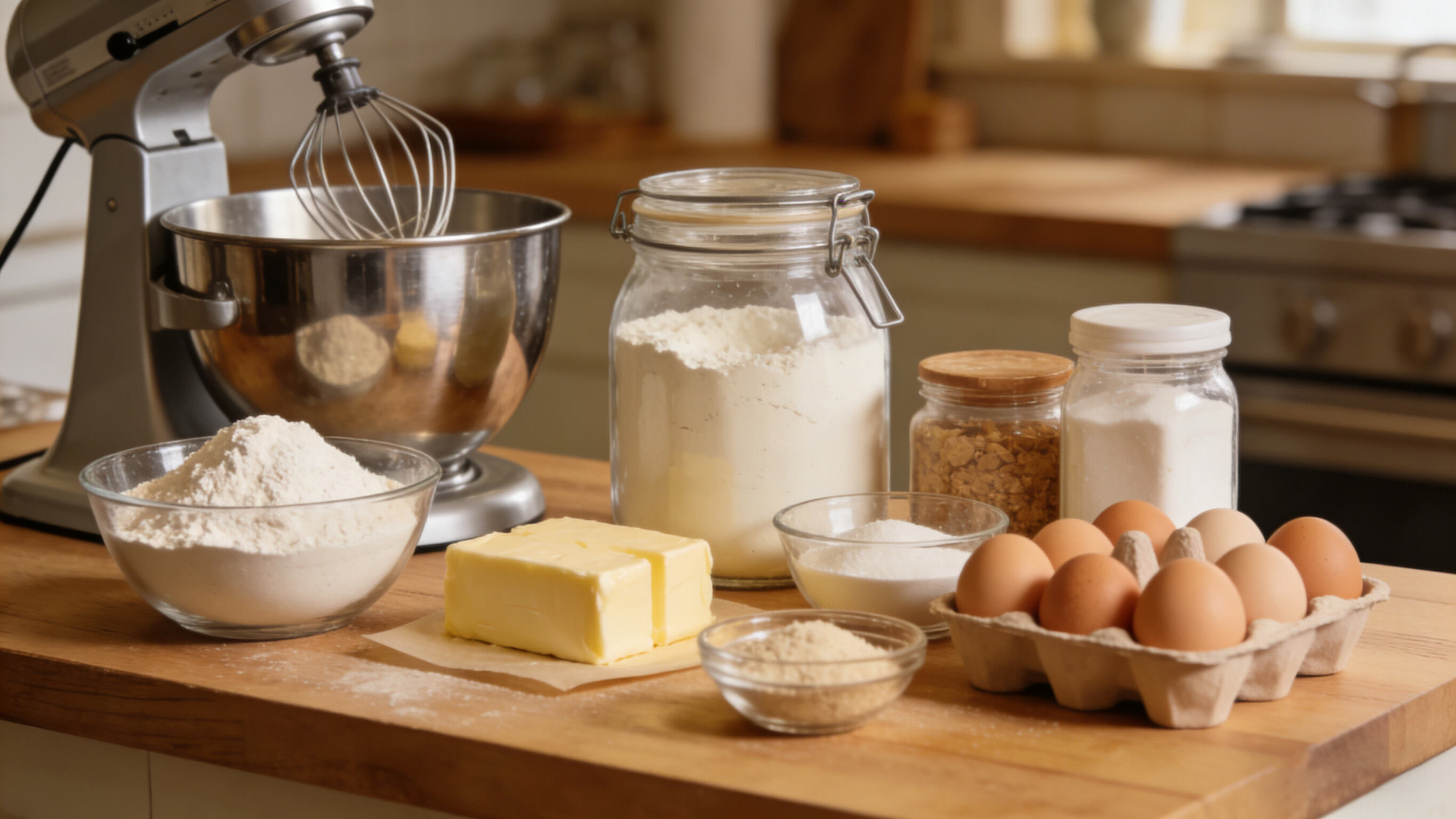
Sodium Bicarbonate as a Fast-Acting Leavening Agent
How sodium bicarbonate releases carbon dioxide upon contact with acid
When sodium bicarbonate meets acidic ingredients in a recipe, it starts working almost immediately, breaking down into water, salt, and carbon dioxide gas that creates those bubbles in dough or batter right away before anything goes into the oven. The chemical reaction between acid and baking soda happens much quicker than just heating things up, according to some studies by the Baking Science Institute last year, producing about 40% more volume overall. Regular yeast needs several hours to ferment properly, while most baking powders take their time activating too. But baking soda? It gets to work within seconds once mixed in. This fast action is why bakers rely on it so much for recipes that need to rise quickly without waiting around for long periods of rest.
Impact on texture: achieving lightness in cakes, muffins, cookies, and quick breads
How fast and how much carbon dioxide gets released really affects the crumb structure and how something feels in the mouth. Think about cakes and muffins where those tiny air bubbles stretch out the proteins just enough to make them tender instead of tough. Cookies need that lift controlled just right for proper spreading and those nice crisp edges we all love. Quick breads such as banana or zucchini loaves depend on this quick expansion because otherwise they end up dense like bricks when using slower rising agents. Getting the balance right is important stuff. Too much baking soda can actually make things fall apart, turn yellowish, or leave that unpleasant soapy taste. Not enough and what comes out will be dense and heavy. Get it right though, and watch an angel food cake rise up beautifully or see those layers form in buttermilk biscuits that are both flaky and tender at the same time.
Acid-Dependent Reactions of Sodium Bicarbonate in Recipes
Sodium bicarbonate depends entirely on acidic components to activate its leavening power. Once dissolved in moisture, its bicarbonate ions remain inert until encountering hydrogen donors–acids–that convert them into carbon dioxide gas. This reaction typically completes within 2–4 minutes at room temperature and accelerates during oven heating.
Common acidic ingredients that activate sodium bicarbonate (buttermilk, yogurt, cocoa, brown sugar, vinegar)
Buttermilk and yogurt bring lactic acid to the mix, natural cocoa has acetic and various organic acids, brown sugar gets its kick from molasses containing tartaric and formic acids, and vinegar packs a punch with concentrated acetic acid. How these reactions happen matters too. Acids from dairy products create slow, steady rising action perfect for dense batters, whereas vinegar causes quick bubbles and lots of fizz right away. Brown sugar with molasses actually does two jobs at once sweetening the dough while adding acidity. Natural cocoa needs baking soda not just to help things rise, but also because it helps cut down on that bitter taste cocoa naturally has. Understanding these interactions can make all the difference in achieving the desired texture and flavor profile in baked goods.
Balancing acid-to-base ratios for optimal rise and flavor development
Getting the acid to base balance just right makes all the difference when it comes to how much your baked goods rise and what they actually taste like. Most folks find that about a quarter teaspoon of baking soda works well for half a cup of something moderately acidic such as buttermilk. When there's not enough acid around, the baking soda doesn't fully react which can lead to those ugly yellow spots plus an unpleasant soapy aftertaste. On the flip side, too much acid gives things that harsh tangy flavor and stops them from rising properly. If working with gentler acids found in fruit purees, adding some cream of tartar really helps bring everything into harmony at that sweet spot between pH 5 and 6. Bakers living up high should cut back on baking soda by roughly ten percent since air gets thinner and affects how moisture escapes along with concentrating flavors. The best sign that everything has mixed correctly? Look for bubbles forming across the surface of the batter within about ninety seconds after combining ingredients this serves as pretty good evidence that chemical reactions are happening as they should be.
Sodium Bicarbonate’s Dual Role: Leavening and pH Control
Sodium bicarbonate does more than just make baked goods rise. It acts as a pH adjuster too. When mixed with acidic ingredients such as buttermilk, cocoa powder, or brown sugar, baking soda helps balance out the acid levels. This raises the overall pH of the batter to around 7.5 to 8.0, which is ideal for getting that nice golden brown color through Maillard reactions. The change in pH actually makes a big difference in how the final product looks and tastes, preventing burnt edges while developing richer flavors. At the same time, this altered pH affects when proteins set and how starches behave during baking. For cakes, this means a softer texture, and for cookies, it creates that desirable crispness we all love. Getting the right amount of baking soda is crucial though. Too much can leave an unpleasant soapy taste, while too little won't properly activate those chemical reactions needed for good browning, especially important when working with chocolate recipes since natural cocoa tends to be quite acidic and needs proper balancing.
Comparing Sodium Bicarbonate with Other Leavening Agents
Functional differences between sodium bicarbonate, baking powder, and yeast
Sodium bicarbonate acts as a pure base that needs an outside source of acid to get going, which makes it release carbon dioxide right away when they meet. Baking powder comes with sodium bicarbonate already mixed in with some dry acids like monocalcium phosphate or sodium aluminum sulfate, plus cornstarch as a buffer material. The single acting varieties start reacting completely at room temp, but double acting ones give another boost later on during actual baking time. Yeast works differently though, since it's a living organism that breaks down sugars over several hours to create both carbon dioxide and alcohol. This slow process not only creates those complex flavors we love in bread, but also helps strengthen the gluten structure throughout the dough as it ferments longer.
When to choose sodium bicarbonate over alternatives: recipe-specific considerations
Sodium bicarbonate works best in recipes that already contain natural acids, think about those pancake mixes with yogurt, brownie batter with cocoa, or traditional soda bread made with buttermilk. These situations call for something that reacts quickly to give that lift without needing any resting period. The way it reacts actually produces those lovely open, uneven crumb patterns we see in rustic quick breads and also contributes to the delicate layers in tender cakes. Don't try using it in batters that are neutral in pH though, like a standard vanilla cake mix. Left unchecked, the soda can leave behind unpleasant flavors, so baking powder tends to be a better choice there. Save the yeast for longer projects where time isn't against us, especially when deep flavors or chewy textures matter most, such as with artisan breads or rich doughs containing butter and eggs. Whenever swapping between different leavening agents, remember to adjust the acid levels accordingly and keep an eye on how changes might affect both the color development during baking and final texture too.
FAQ
What are the best acidic ingredients to use with sodium bicarbonate?
Buttermilk, yogurt, cocoa, brown sugar, and vinegar are ideal acidic ingredients because they effectively interact with sodium bicarbonate to produce carbon dioxide gas, enhancing the texture and flavor of baked goods.
Why is it important to balance acid-to-base ratios in recipes?
Balanced acid-to-base ratios ensure that the baking soda reacts properly, preventing unpleasant tastes and textures in your baked goods. This balance is crucial for optimal rise and flavor development.
Can sodium bicarbonate be used in recipes without acidic ingredients?
While sodium bicarbonate can technically be used without acidic ingredients, it may lead to a soapy taste and inadequate rising. Baking powder is more suitable for neutral pH recipes.
How does sodium bicarbonate contribute to pH control in baking?
Sodium bicarbonate raises the pH of the batter when combined with acidic ingredients, promoting better browning through Maillard reactions and improving texture and flavor.