
 EN
EN

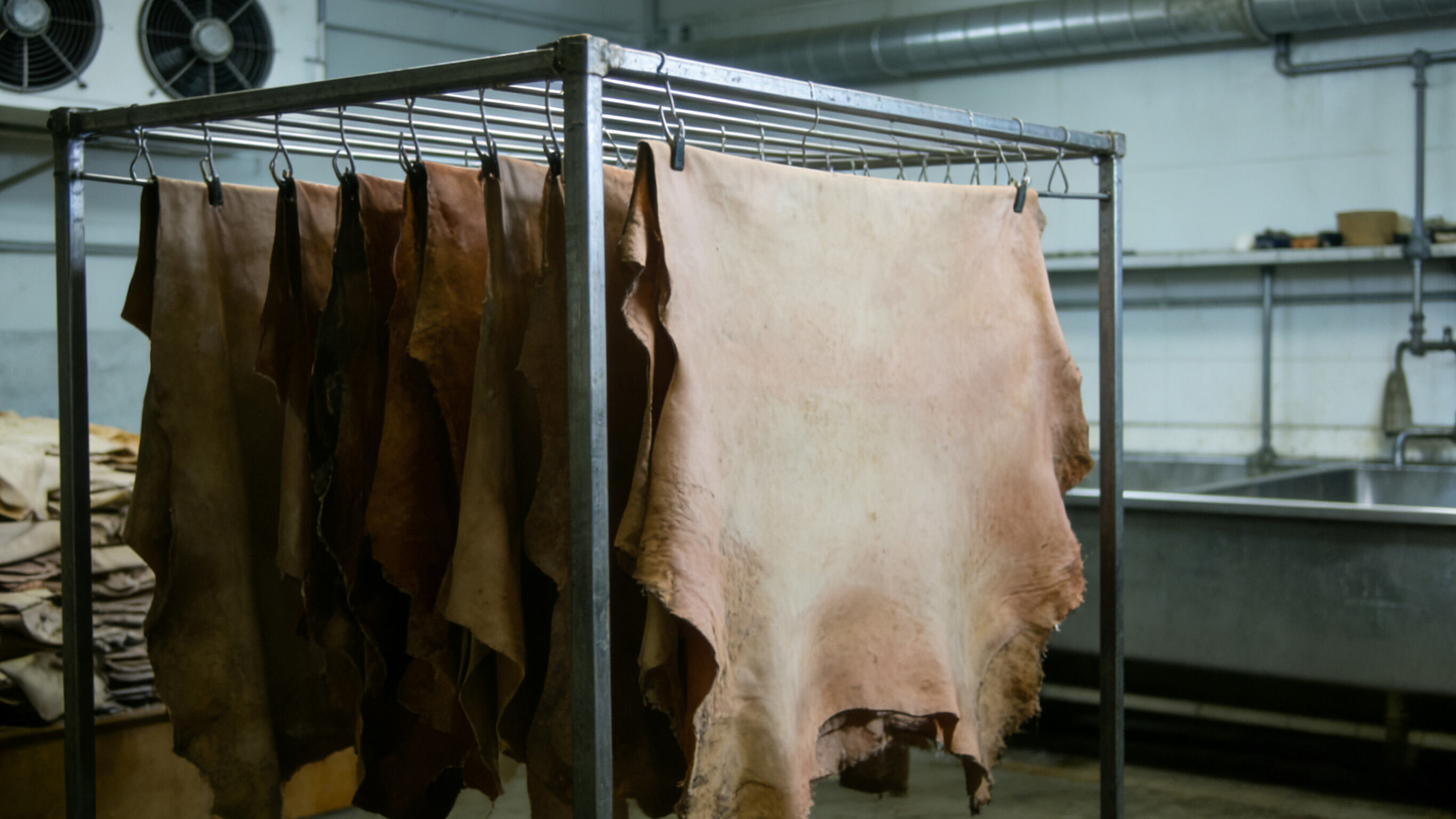
How Basic Chromium Sulfate Works: The Chemistry Behind Chrome Tanning
Why Trivalent Chromium Is Essential for Stable Leather Formation
The trivalent chromium found in basic chromium sulfate creates stable bonds with collagen fibers when applied to raw hides. Unlike its toxic cousin, hexavalent chromium, this form is much safer for the environment and works really well in the tanning process. What happens is that Cr³⁺ gets into the hide structure and forms these special chemical links called coordinate covalent bonds. These bonds create a kind of protective layer against water breakdown, which stops the hide from rotting. Most leather around the world today uses this method, probably something like 80-90% of all production. Leather treated this way holds up much better when exposed to heat and moisture. It doesn't start shrinking until temperatures reach over 100 degrees Celsius, way beyond what most vegetable tanned leathers can handle.
Coordination Bonding Between Basic Chromium Sulfate and Collagen Fibers
The tanning mechanism hinges on precise coordination chemistry: Cr- acts as a Lewis acid, binding preferentially to ionized carboxyl groups (-COO-») in collagen™s aspartic and glutamic acid residues. At the optimal pH of 3.5-3.8-where these groups are fully deprotonated-each Cr- ion forms an octahedral complex comprising:
- Three collagen carboxyl ligands
- Two water molecules
- One sulfate ion
This architecture builds a resilient 3D molecular network that:
- Raises collagen denaturation temperature by 20-30°C
- Increases tensile strength by up to 40%
- Reduces water absorption by 65% versus untanned hides
The Role of pH and Basification in Maximizing Tanning Efficiency
The acidity level plays a major role in how chromium moves through and sticks to materials during processing. When we start with an acidic solution around pH 2.5 to 3.0, it actually causes those collagen fibers to shrink back, making it much easier for chromium ions (Cr³⁺) to get inside quickly. Then comes the basification step where we raise the pH to about 3.8 to 4.2 using either sodium carbonate or bicarbonate compounds. This change makes something interesting happen to the chromium complexes they undergo hydroxylation which boosts their positive charge from +1 all the way up to +3. And this increased charge means they bind much more strongly to collagen structures. According to recent findings from the International Union of Leather Technologists in 2023, getting this basification just right can push chromium fixation rates from roughly 60% up past 85%. Lastly, bringing everything back to neutral around pH 5.0 to 5.5 helps lock everything in place while washing away any leftover chromium. This keeps waste water levels under 3 parts per million, meeting those strict EU BAT regulations that most tanneries have to follow these days.
Key Applications of Basic Chromium Sulfate in the Tanning Process
Rapid Penetration and Uniform Crosslinking in Raw Hides
The low molecular weight and high solubility of Basic Chromium Sulfate allow it to spread quickly and evenly throughout raw hides, which speeds up the tanning process by over 70% when compared to traditional vegetable tanning methods. The Cr3+ ions create consistent crosslinks throughout the collagen structure, so there are no weak areas in specific spots. This even distribution stops uneven shrinking when the leather dries, resulting in material that has good balance in thickness, feel, and strength. These properties make it especially valuable for mass production where precision matters a lot, such as car seat covers and shoes that need to meet strict quality standards.
Enhancing Water Resistance, Thermal Stability, and Durability of Leather
When chromium ions form bonds with collagen molecules in leather, it really transforms how the material performs overall. The crosslinked fiber structure creates better water resistance too, making the leather about 40 percent more hydrophobic compared to traditional aldehyde treatments. Leather treated this way can withstand higher temperatures without warping, holding shape even when exposed to heat around 120 degrees Celsius. That's why we see it used so much in car seats and other interior applications where temperature fluctuations are common. Another big plus is that chromium crosslinks actually stop enzymes and microbes from breaking down the leather over time. Safety boots made with this treatment last roughly twice as long as regular ones under tough conditions. For manufacturers looking to produce durable leather products that maintain their quality year after year, basic chromium sulfate remains a key ingredient despite ongoing debates about environmental impacts.
Step-by-Step Chrome Tanning Process Using Basic Chromium Sulfate
Pickling, Chromium Addition, Basification, and Neutralization Stages
Chrome tanning starts off with what's called pickling. In this first step, raw animal hides get soaked in either sulfuric or hydrochloric acid until their pH drops to around 2.8 to 3.0. The acid basically swells up the hide's collagen structure so it can absorb chromium better later on. When Basic Chromium Sulfate comes into play next, those positively charged Cr3+ ions start moving quickly into the fibers of the hide. Then comes basification time. Workers slowly add things like baking soda to bring the pH up from about 3.8 to 4.2 over roughly six to eight hours. This gradual change helps create hydroxyl groups on the chromium complexes which bond really well with the collagen molecules. At this point, the hide turns that famous wet blue color and becomes much more stable structurally. Last but not least, there's neutralization where they adjust the pH to somewhere between 5.0 and 6.0. This final stage finishes fixing everything in place and washes away any leftover acid and chromium that didn't stick. All told, the whole process takes less than a day to complete, making it about 40% quicker than traditional vegetable tanning methods. Plus, leather treated this way stands up pretty well to heat, holding its shape even when exposed to temperatures over 100 degrees Celsius.
Advantages of Basic Chromium Sulfate Over Alternative Tanning Agents
Tanning Efficiency, Time Savings, and Performance vs. Vegetable Tannins and Other Chromium Salts
Basic Chromium Sulfate really stands out when it comes to getting things done fast. The tanning process takes just 1 to 2 days compared to those long waits of 4 to 6 weeks needed for vegetable tannins. This speed cuts down labor costs by more than 40%, which makes scaling up production much easier and quicker to respond to market demands. From a mechanical standpoint, leather treated with chrome has about 20% better tear strength and can handle over 1,200 Taber abrasion cycles. That's why we see it used so much in safety boots, suitcases, and other technical gear where durability matters. What makes this material special is how its basification levels work just right to create uniform crosslinks without damaging fibers something cheaper chromium salts often struggle with. Sure, vegetable tannins have their benefits like being biodegradable, but they don't hold up well against heat (starting to fail around 80 degrees Celsius) or moisture. Chrome tanned leather keeps its shape even at 95% humidity and beats plant based options by about 30% in standard moisture tests according to industry standards.
FAQ
What makes trivalent chromium safer compared to hexavalent chromium?
Trivalent chromium, used in basic chromium sulfate for tanning, creates stable, non-toxic bonds with collagen fibers. It is environmentally safer than hexavalent chromium, which is toxic.
Why is pH important in chrome tanning?
The pH level influences the absorption and bonding of chromium ions with the collagen structure. Proper pH adjustments ensure optimal chromium binding and reduce waste.
How does basic chromium sulfate improve leather durability?
Basic chromium sulfate enhances leather's thermal stability, water resistance, and durability by forming strong crosslinks within the collagen fibers, protecting against environmental factors.