
 EN
EN

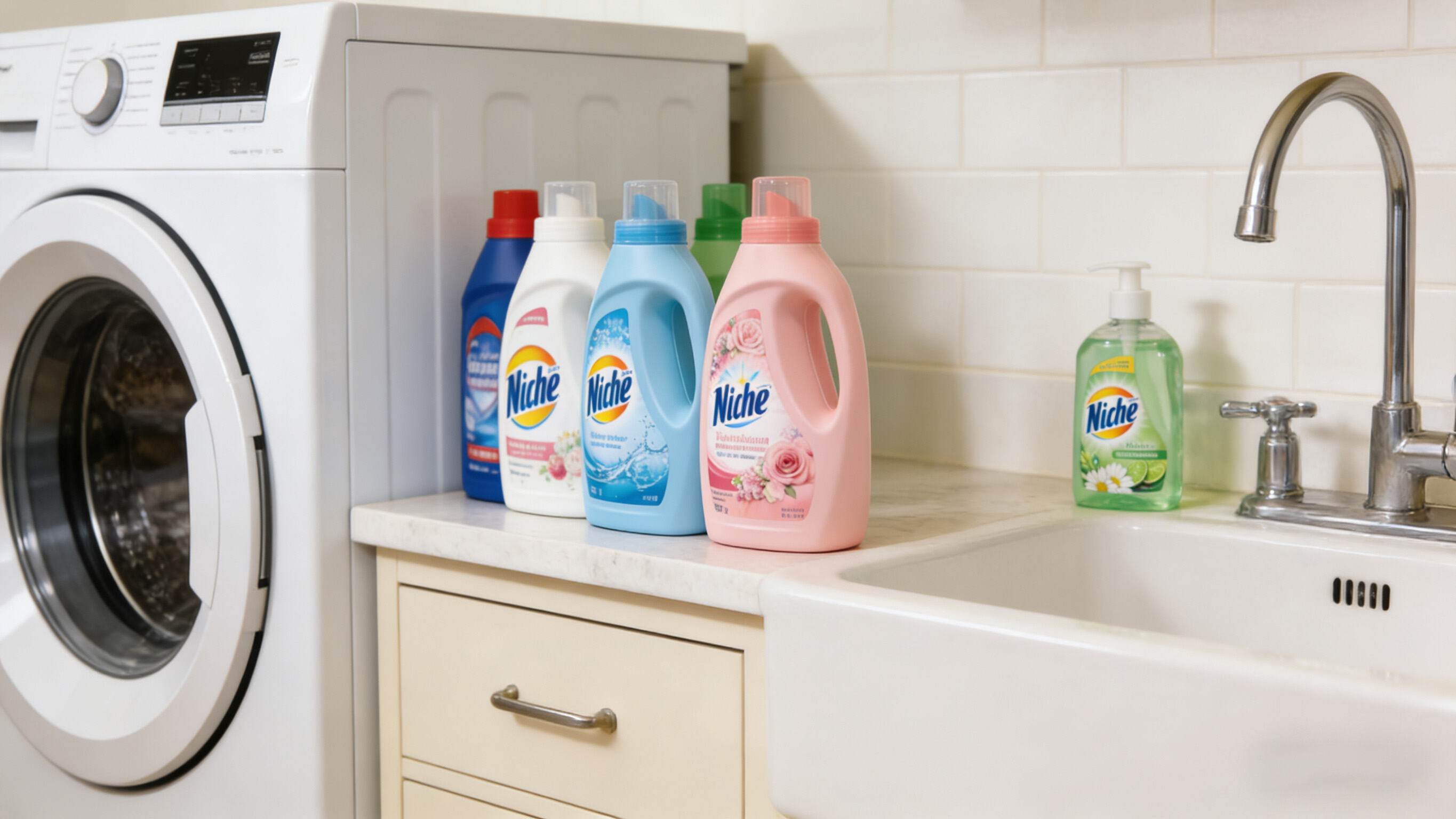
Sodium Sulfate as a Functional Filler: Balancing Density, Dosage, and Formulation Efficiency
Standardizing bulk density for consistent volumetric dosing in auto-dispensing systems
Adding sodium sulfate to detergent powders helps maintain consistent bulk density around 0.5 to 0.7 grams per cubic centimeter. This matters because when the powder flows predictably through machines, it makes sure consumers get the right amount whether they're using automatic dispensers at home or large scale packaging operations. The stable density also means less problems with blockages in factory machinery and keeps batch-to-batch variation within about 2%. For manufacturers running fast production lines, these small details count big time. A slight dip below target specs might lead to weaker cleaning results for customers, while going overboard wastes product and creates unnecessary environmental waste from excess chemicals ending up in waterways.
Trade-offs: Cost savings vs. dilution of active surfactants and enzyme stability
Sodium sulfate works well as a filler material and can cut down on costs quite a bit for manufacturers, sometimes saving around 30% on raw materials while still keeping the product formulation stable. But when added in larger amounts between 20 to 35 percent by weight, there are some problems that start showing up. The active surfactants get diluted, and the enzymes tend to break down faster because the ionic strength changes and the pH level shifts. This becomes even worse in areas where the tap water is hard, leading to poorer stain removal results and enzymes losing their effectiveness much quicker than expected. To find the sweet spot where cost savings don't come at the expense of performance, companies need to run thorough tests looking at things like how pH levels behave, whether the product stays stable under heat, and if the cleaning agents maintain their activity over time.
Moisture Management and Powder Flow: How Sodium Sulfate Prevents Caking and Ensures Process Stability
Hygroscopic buffering at critical RH (78%) and its role in storage integrity
Sodium sulfate works really well for managing moisture because it buffers at around 78% relative humidity, which happens to be when most detergent powders start grabbing water quickly. When this happens, sodium sulfate changes form into these stable decahydrate crystals. These crystals actually pull in and lock away moisture before it can cause those annoying little clumps we all hate. The effect is pretty significant too. Water activity drops somewhere between 0.3 and 0.5 units on the Aw scale compared to regular products without this buffer system. This means the powder stays loose and flows properly even during those hot, humid months in tropical climates where humidity often goes above 80%. Products last much longer this way, sometimes over six months just sitting on store shelves without special packaging requirements.
Particle surface modification and anti-caking synergy in spray-dried detergent powders
Sodium sulfate plays a key role in preventing caking in spray dried detergents. It helps control moisture levels but does even more by changing how particles interact on their surfaces. The crystal structure of sodium sulfate basically creates space between surfactant granules, cutting down those pesky van der Waals forces by around 40%. When paired with silica based anti caking additives, we see something special happen. There are actually three ways these materials work together: they reduce where particles touch each other, create tiny bumps that make sticking less likely, and help prevent static electricity build up when moving product through pipes. Manufacturers who include about 15 to 20 percent sodium sulfate in their formulas report roughly 30% fewer problems with blocked lines caused by bridging or rat holing issues. This makes a big difference for keeping production running smoothly and maintaining high output rates.
Dissolution Performance and Residue Control: Sodium Sulfate's Dual Role in Hard Water Systems
Ionic strength modulation of surfactant micellization and dissolution kinetics
When sodium sulfate gets added to wash solutions, it boosts the ionic strength, which changes how anionic surfactants work in pretty significant ways. What happens is that the critical micelle concentration drops somewhere between 15 and 20 percent, so micelles form sooner. This means hydrophobic soils get wrapped up about 40% faster based on those colloid kinetic theories we've been looking at. Another thing worth noting is that these electrolytes actually squeeze down the hydration shells around surfactant molecules, making powders break apart quicker than they normally would. But there's a catch here. If too much sodium sulfate goes in, say over 15% by weight, then something different occurs. Competitive ions start messing things up, slowing down complete dissolution by roughly 3 to 5 seconds for every gram used in those automatic dishwashers. And when that happens, the rinse cycle doesn't perform as well as it should.
Sulfate–calcium interactions and residue risk: Evidence from ASTM D4006-22 testing
When sulfate ions interact with calcium hardness levels between 150 and 300 ppm as CaCO3, they form bonds through selective precipitation and compete for binding sites. According to ASTM D4006-22 tests, adding sodium sulfate actually cuts down calcium-surfactant complexation by about 27% compared to control samples without sulfate. This means surfactants work better and leaves behind 33% less spotting on glassware when concentrations are kept around 8 to 12% by weight. But watch out what happens when we go past 15% concentration. At those levels, the drying process creates visible, gritty residues that jump up by 19% because of wild CaSO4 crystal growth. So getting the sulfate dosage right matters a lot. Manufacturers need to find that sweet spot where performance meets what consumers actually see when they look at their clean dishes or glassware after washing.
FAQ Section
What is the role of sodium sulfate in detergent powders?
Sodium sulfate helps maintain consistent bulk density, improves moisture management, and prevents caking in detergent powders, which ensures process stability and product reliability.
How does sodium sulfate affect cost savings in detergent manufacturing?
Sodium sulfate can significantly cut down costs, potentially saving manufacturers around 30% on raw materials. However, too much can dilute active surfactants and enzyme stability, impacting performance.
What risks are associated with sodium sulfate dosage in detergent formulations?
Exceeding optimal sodium sulfate concentration can dilute active ingredients, reduce enzyme efficiency, and in some cases create residues or gritty deposits due to sulfate-calcium interactions.
Table of Contents
- Sodium Sulfate as a Functional Filler: Balancing Density, Dosage, and Formulation Efficiency
- Moisture Management and Powder Flow: How Sodium Sulfate Prevents Caking and Ensures Process Stability
- Dissolution Performance and Residue Control: Sodium Sulfate's Dual Role in Hard Water Systems
- FAQ Section