
 EN
EN

What Is Sodium Carbonate? Understanding Its Chemical Properties
Chemical Structure and Common Forms of Sodium Carbonate
Sodium carbonate, also known as Na2CO3, is basically made up of sodium combined with carbonate ions. This substance comes mainly in two different versions - the anhydrous form commonly called soda ash, and the decahydrate version that people often refer to as washing soda. Most industries actually prefer the anhydrous type because it stays stable longer and has a stronger alkaline nature around pH 11.6. When looking at what manufacturers need, they generally ask for about 99.2% purity levels. Some special areas though, particularly the textile industry according to recent research from 2024, sometimes push this requirement even higher to around 99.8% depending on their specific needs.
Natural Sources and Manufacturing Methods
Around 40 million metric tons of sodium carbonate get manufactured every year, and roughly three quarters of that comes from trona ore extracted mainly from places like Wyoming according to USGS data from 2023. The other quarter is made synthetically through what's called the Solvay process, where salt meets limestone in chemical reactions. Environmental rules tightening up across the board have pushed manufacturers toward adopting these closed loop systems lately. These newer approaches cut down on carbon dioxide emissions by about 30 percent when compared against older techniques, something that matters a lot for companies trying to meet sustainability targets while still keeping costs under control.
Major Industrial Applications of Sodium Carbonate
Use in Glass Production and Silicate Industries
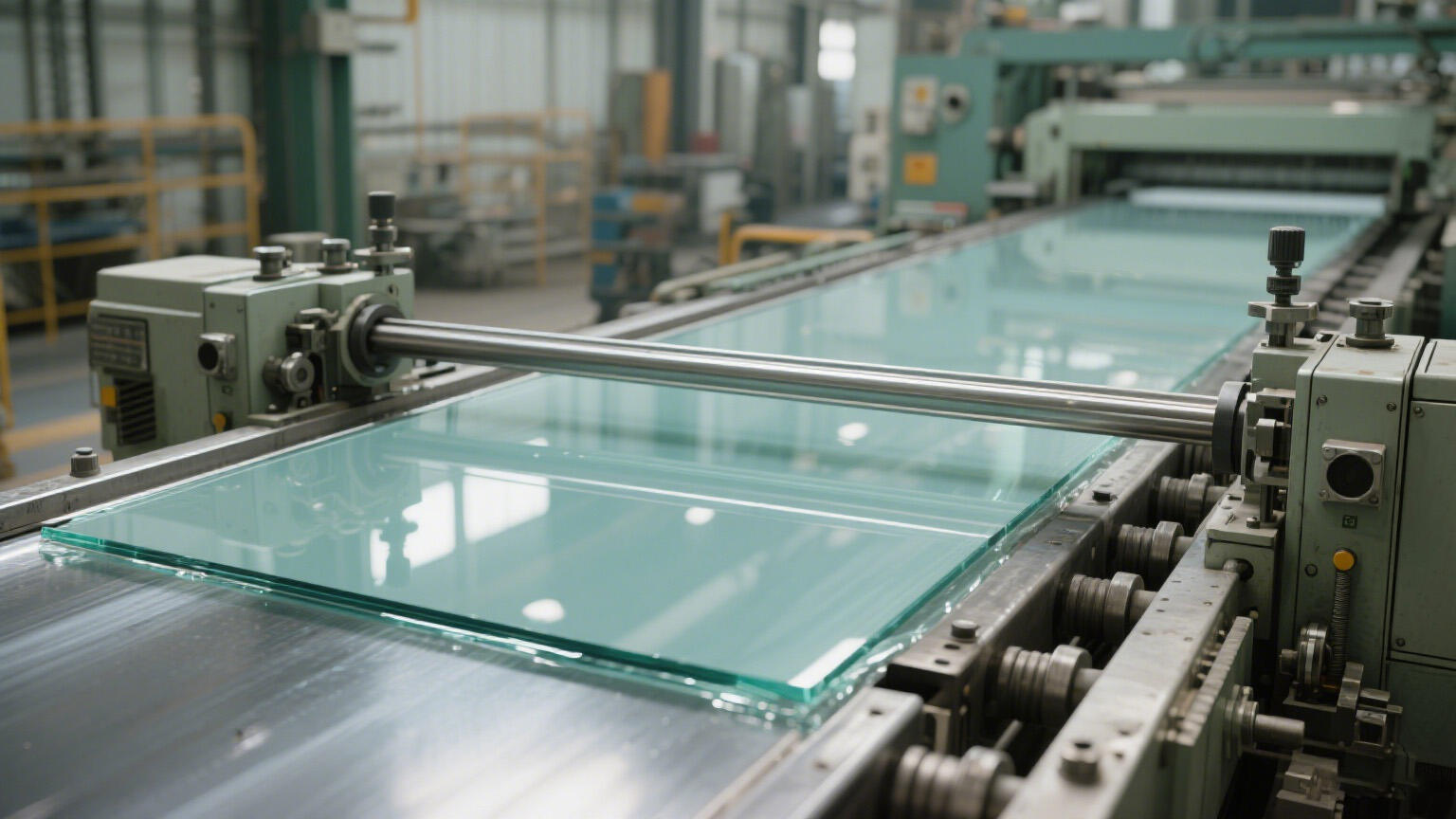
In glass making, sodium carbonate serves as an essential flux material that brings down the melting temperature of silica from around 1700 degrees Celsius all the way down to about 1000 C according to data from USGS Mineral Commodity reports for 2023. What does this mean practically? Well, manufacturers save quite a bit on both energy bills and overall production expenses when they use this compound. The numbers tell the story too – somewhere north of 15 million metric tons gets consumed every year just for making those flat panels we see everywhere and containers like bottles and jars. Beyond cost savings, there's another benefit worth mentioning. Because sodium carbonate has these alkaline characteristics, it actually makes the silicate structures more stable. Glass products made with it tend to last longer than alternatives, especially in tough applications such as car windows or building materials where strength matters most. Tests show improvements ranging between 18 to 22 percent over other types of flux materials currently available.
Role in Water Treatment and pH Regulation
City water departments often turn to sodium carbonate when dealing with acidic tap water and trying to get rid of harmful metals like lead and copper contamination. Recent research from the Environmental Protection Agency shows sodium carbonate works about 30 percent better for adjusting pH levels compared to traditional calcium carbonate methods in big treatment facilities across the country. What makes sodium carbonate so effective? Well, it can dissolve quickly even in hard water conditions because of its impressive solubility rate around 21.6 grams per 100 milliliters at room temperature. This rapid dissolution helps remove those pesky magnesium and calcium ions from the water supply too, all while cutting down on expenses by roughly half to three quarters compared with expensive ion exchange technology that many plants still rely on today.
Applications in Detergents and Cleaning Agents
Sodium carbonate works as a water softener in powdered detergents because it binds with magnesium ions at around twice the amount needed, which stops those annoying soap scum deposits from forming. The International Association for Soap, Detergents, and Maintenance Products reports that when formulas have between 10 and 15 percent sodium carbonate, they clean stains about 45 percent better than without. Many manufacturers now prefer this ingredient over phosphates since it breaks down naturally in the environment and doesn't harm aquatic life much. That's why we see it so often in cleaning products that carry eco certifications these days.
Sodium Carbonate in Manufacturing and Supply Chains
Global Production Trends and Key Exporting Regions
Worldwide sodium carbonate markets have been ticking upward at around 4.1 percent each year since 2021, mainly because glass manufacturers and water treatment plants keep needing more of it. China remains number one in production, churning out 42% of what's made globally as of 2024. The US comes second with roughly 19%, while Turkey holds onto about 11% of total output. Many companies are now expanding their synthetic soda ash operations to fix supply chain issues that popped up during those recent energy crunches. These expansions should help stabilize things going forward as industries continue to rely heavily on this important chemical compound.
Logistics and Handling Considerations for B2B Buyers
When it comes to storing bulk sodium carbonate, keeping it cool below 30 degrees Celsius with around 50% relative humidity is important. The material should go into those special moisture resistant bags with lining to stop it from clumping together. Looking at global shipping trends, most buyers these days prefer working with suppliers who team up with logistics companies certified for reducing carbon footprints. This helps them hit their Scope 3 emission goals. Since 2022, European factories adopting just in time delivery systems have seen their average inventory costs drop about $14 per ton. Still, many businesses keep some extra stock on hand when operating in areas where market conditions can swing wildly from one day to the next.
Safety, Environmental Impact, and Regulatory Compliance
Safe Handling Practices and Workplace Guidelines
Due to its high alkalinity (pH ~11.6), sodium carbonate requires strict safety measures. Workers handling bulk quantities should wear acid-resistant gloves, splash goggles, and respirators in poorly ventilated areas to avoid respiratory irritation from airborne particles. Facilities using automated dispensing systems have reported a 72% reduction in exposure incidents (OSHA 2023).
Recommended practices include:
- Storing anhydrous forms in sealed containers to prevent moisture absorption
- Installing pH-neutralizing stations near storage zones
- Conducting quarterly spill response drills
Temperature-controlled storage (<30°C) helps prevent exothermic reactions during material transfer, as noted in the 2024 Industrial Safety Compliance Report.
Environmental Considerations and Sustainable Use
Sodium carbonate can be found in nature within certain mineral deposits, but most of what we use comes from synthetic manufacturing through something called the Solvay process, which churns out around 60 million tons each year. The industry has been working on several interesting developments lately. Some companies are figuring out how to trap carbon dioxide emissions and actually put them back to work in glass production. Others have created cleaning products that break down more easily in the environment while containing about 35% less carbonate content. There's also progress in turning factory waste materials into substances that help adjust soil acidity for farming purposes. According to research published by the EPA back in 2022, facilities treating water with sodium carbonate saw heavy metals settle out of solution about 40% quicker than traditional methods, plus they generated roughly 18% less sludge overall. Many top producers have started implementing these closed loop systems equipped with better filters, allowing them to recycle nearly 91% of their process water instead of just dumping it away.
How to Choose the Right Sodium Carbonate Supplier for Your Business
Evaluating Purity, Packaging, and Certification Standards
When looking for suppliers, buyers need to check if they follow ASTM E1177-22 standards. These standards establish what counts as acceptable reactivity levels based on how pure the materials are. For really demanding applications where performance matters most, getting something with at least 99 percent purity in its anhydrous state becomes essential. Packaging plays a big role too. The best option tends to be those 25 to 50 kg bags lined with plastic since this helps keep out contaminants and stops moisture from getting in during shipping. Many companies now demand certain certifications before doing business. ISO 9001 for quality control and ISO 14001 for environmental standards have become pretty much standard requirements these days. According to recent surveys, around three out of four chemical buyers actually include these certification requirements right in their contracts when talking about sustainable sourcing practices.
| Certification Criteria | Industrial Relevance | Compliance Benchmark |
|---|---|---|
| Purity Testing | Reaction Efficiency | ≥99% Anhydrous Form |
| Moisture Control | Storage Stability | ≤0.5% Water Content |
| Heavy Metal Screening | Environmental Safety | <10 ppm Contaminants |
Building Reliable B2B Partnerships in the Chemical Sector
Companies that have been around for more than ten years in manufacturing tend to face about 34% fewer problems with their supply chains compared to newer companies according to ChemAnalyst data from last year. When looking for suppliers, it's worth finding ones that provide real time updates on orders and have someone available for technical questions these days most procurement departments expect this kind of support anyway. Want to reduce risk? Spread out where materials come from across different parts of the world. The market for soda ash has grown by 22% each year since 2021 so having multiple sources makes good sense for anyone dealing with this particular commodity.
FAQ
What is sodium carbonate?
Sodium carbonate is a chemical compound often used in industry, made up from sodium and carbonate ions. It is available in different forms, known as soda ash and washing soda.
What are the main uses of sodium carbonate?
Sodium carbonate is used in glass production, water treatment, detergents, and many other industrial applications due to its alkaline nature and stabilizing properties.
How is sodium carbonate produced?
It's produced either naturally from trona ore or synthetically through the Solvay process, which involves a series of chemical reactions involving salt and limestone.
How does sodium carbonate impact the environment?
While the production of sodium carbonate can impact the environment, recent advancements have improved sustainability, such as carbon dioxide recycling and closed-loop systems.