
 EN
EN

Magnesium Oxide in Construction: Fire-Resistant, Sustainable Building Solutions
MGO Backer Board and Fire-Rated Wall Systems
MgO panels have become essential components in today's fire rated walls and backer board systems because they just don't catch fire, stay dimensionally stable, and naturally resist mold growth, mildew buildup, and pest infestations. These panels meet the strict ASTM E84 Class A standards and can handle temps above 1200 degrees Fahrenheit without warping, peeling apart, or giving off harmful gases. That makes them especially good for areas where fires are a bigger concern such as commercial kitchens, elevator shafts, and building corridors. Tests show that MgO keeps around 90 percent of its strength even after being exposed to intense heat, which beats out traditional gypsum products when it comes to how quickly flames spread across surfaces. Plus, since MgO is both light weight and strong, installers find it much easier to work with compared to heavier materials. And buildings using MgO tend to last longer too, particularly in places where there's lots of moisture in the air.
Exterior Sheathing and Roofing: Moisture Resistance and Code Compliance
Magnesium oxide (MgO) sheathing really stands out when used outside, especially in areas where moisture control, energy efficiency, and meeting building codes matter most. Compared to traditional wood products, these MgO boards only soak up around 3% water even after sitting submerged for a whole day. That means no swelling issues, rotting problems, or screws coming loose over time something that plagues many roof and wall systems. The way MgO maintains its shape helps builders meet those tricky ICC-ES weather barrier requirements and also cuts down on heat transfer through structural gaps. Buildings insulated with MgO get about 0.52 R-value per inch thickness, which boosts overall energy performance without sacrificing fire safety standards during wildfires according to IECC guidelines. Plus, since MgO can be recycled completely and releases almost nothing in terms of volatile organic compounds, it makes sense for anyone looking to build sustainably without compromising on quality or performance.
Magnesium Oxide in High-Temperature Industrial Processes
Refractory Linings for Steel Furnaces and Kilns
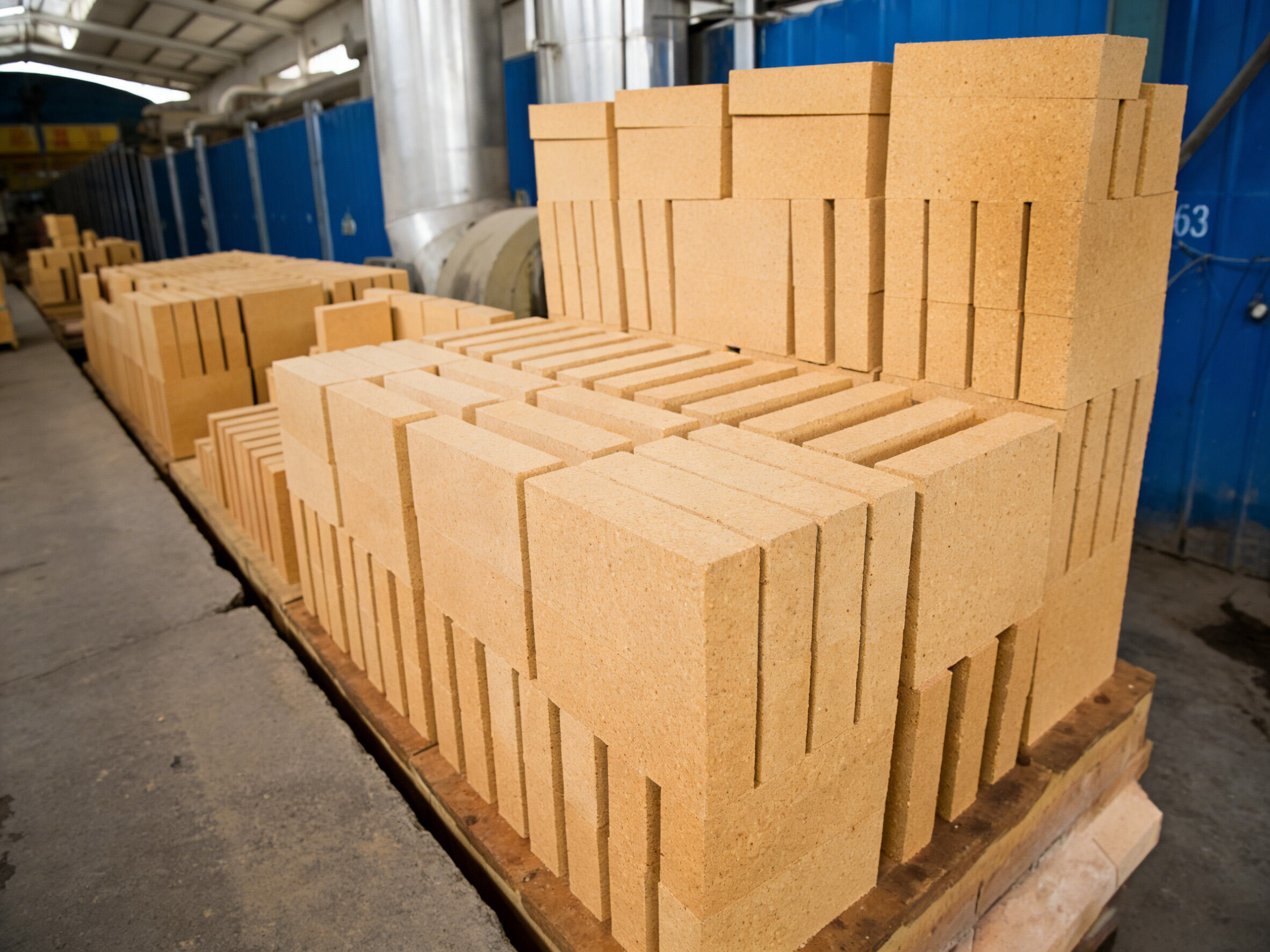
MgO has become the go to refractory material for steel furnaces, cement kilns, and various non-ferrous metal processing equipment because it just stands up better to heat and basic slags than anything else on the market. The stuff melts at around 2800 degrees Celsius, which means it stays solid even when things get really hot during normal operations. When we talk about dead burned magnesia, that's what happens when they calcine it past 1500 degrees. This treatment makes it less reactive chemically and gives it better protection against those annoying cracks and wear issues that plague other materials. We're talking about service lives that hold up at temperatures over 1700 degrees Celsius without breaking down. Another nice feature is how well it conducts heat, so less energy gets lost in the process. Plus, since it acts as an insulator electrically, there's no worrying about wasted power or damage from electrical arcs. Looking at actual numbers from the field, furnaces lined with MgO tend to last about 30% longer than ones using silica based alternatives. That translates to fewer shutdowns for maintenance and better overall efficiency across the board.
Catalyst Support and Corrosion Mitigation in Oil & Gas Applications
Magnesium oxide plays two important roles in oil and gas refining: it serves as a stable base for catalysts while also helping prevent corrosion damage. The material has a huge surface area and can withstand really extreme temperatures, sometimes going all the way up to around 2,400 degrees Celsius. That makes it great for things like breaking down hydrocarbons and treating gases with hydrogen. What's particularly useful about MgO is how its basic properties counteract acidic stuff like hydrogen sulfide and various organic acids. Plants report seeing anywhere from 30% to almost half less corrosion on equipment when using this stuff in areas where sour gas is present. Another benefit comes from its porous nature which helps trap impurities during flue gas desulfurization processes, speeding up the removal of sulfur dioxide. Because magnesium oxide offers both physical durability and chemical reactivity, most refineries find themselves relying heavily on it throughout their operations where they deal with harsh conditions at high temps.
Magnesium Oxide in Agriculture and Environmental Remediation
Soil Amendment: pH Neutralization and Magnesium Nutrition
Magnesium oxide works well as a slow release soil additive that fixes acidic soils and adds back much needed magnesium, which plants really need for healthy growth. When applied properly, it raises soil pH levels without causing problems, helping reduce toxic effects from aluminum and manganese while making phosphorus easier for plants to absorb. Farmers in areas where magnesium is scarce, like dry regions throughout the Middle East and certain parts of sub Saharan Africa, find that using MgO makes a big difference in their crops. The Food and Agriculture Organization reports that not treating magnesium deficiencies can lead to losing around 15% of potential harvests, which shows just how important this element actually is. Plus, since magnesium oxide dissolves slowly over time, there's less chance it will wash away, making it compatible with both regenerative farming methods and precise nutrient management strategies.
Wastewater Treatment and Flue Gas Desulfurization (FGD)
Magnesium oxide has become really important for cleaning up environmental problems, especially when dealing with industrial wastewater and removing sulfur from exhaust gases. When added to wastewater systems, MgO grabs onto heavy metals like lead, cadmium, and nickel, turning them into solid forms that can be easily removed and disposed of safely without leaching back into the environment. For flue gas desulfurization (FGD), magnesium oxide works fast against sulfur dioxide, creating stable magnesium sulfates that won't wash away. This process typically removes about 95% of the sulfur dioxide from industrial emissions. Compared to traditional limestone scrubbers, magnesium oxide is much more reactive, produces less sludge overall, and creates byproducts that can actually be reused in agriculture or other industries. These practical benefits mean factories can comply with tough environmental regulations from places like the EPA and EU IED directives, all while working toward more sustainable practices through material recovery and reuse.
FAQ
What are the benefits of using magnesium oxide in construction?
Magnesium oxide panels provide fire resistance, dimensional stability, and mold resistance. They meet ASTM E84 Class A standards and can withstand high temperatures without warping or peeling. MgO is also lightweight and easy to work with, extending the lifespan of buildings, especially in moist environments.
How does magnesium oxide compare to traditional materials in high-temperature industrial processes?
MgO performs better than conventional materials in steel furnaces and kilns by withstanding higher temperatures and basic slags. It has a long service life, good thermal conduction, and acts as an electrical insulator, making it more efficient than silica-based materials.
Why is magnesium oxide used in agriculture and environmental remediation?
In agriculture, MgO raises soil pH and provides magnesium nutrition, benefiting crops in magnesium-deficient regions. In environmental remediation, it treats industrial wastewater and removes sulfur from exhaust gases by forming solidified forms of heavy metals and stable magnesium sulfates.