
 EN
EN

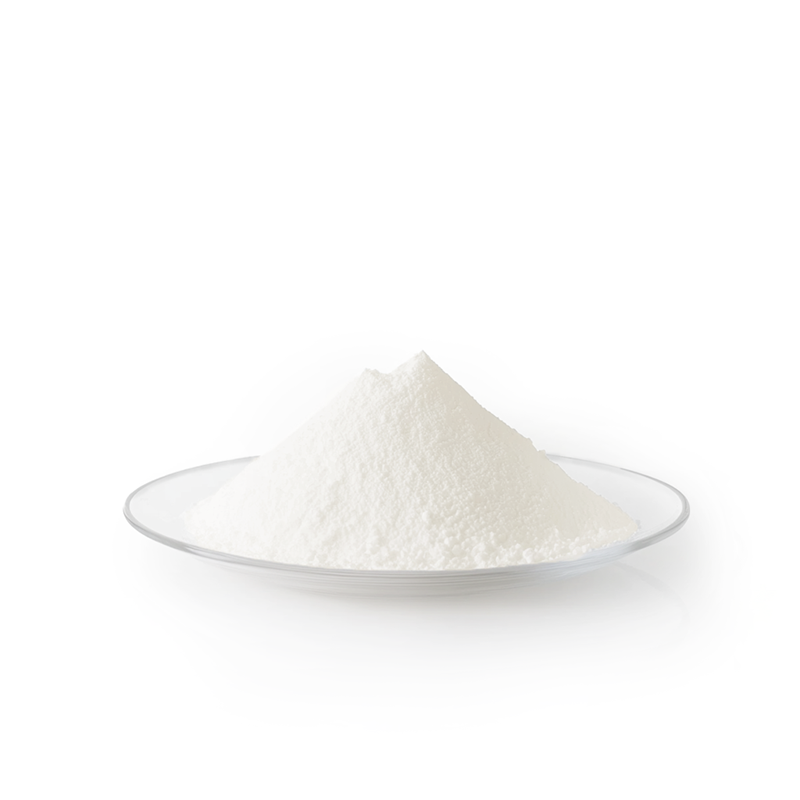
Aluminium oxide, chemically known as Al₂O₃, stands as a cornerstone material in modern manufacturing, revered for its exceptional physical and chemical properties that adapt to diverse industrial demands. From heavy-duty industrial production to high-precision advanced manufacturing, aluminium oxide’s versatility and reliability make it an irreplaceable component across global manufacturing sectors. Its unique combination of hardness, thermal stability, chemical inertness and electrical insulation not only elevates production efficiency but also drives innovation in material application, solidifying its status as a core raw material for manufacturers worldwide.
The Fundamental Properties That Define Aluminium Oxide’s Manufacturing Value
At the heart of aluminium oxide’s manufacturing importance lies its extraordinary intrinsic properties. Boasting a Mohs hardness of 9—second only to diamond—aluminium oxide delivers unmatched wear and scratch resistance, making it ideal for producing durable industrial components. With a melting point of 2050℃ and a boiling point of approximately 2980℃, it maintains structural stability in extreme high-temperature manufacturing environments, a critical trait for refractory and heat-resistant part production.
Chemically, aluminium oxide is highly inert, resisting corrosion from most acids, alkalis and organic solvents, ensuring longevity of products in harsh chemical working conditions. It also balances electrical insulation and thermal conductivity: as an excellent electrical insulator at room temperature and even 300℃, it is perfect for electrical component manufacturing, while its moderate thermal conductivity enables effective heat dissipation in high-power electronic devices. These properties make aluminium oxide a multi-functional material that meets the strict performance requirements of different manufacturing processes.
Aluminium Oxide’s Diverse Applications Across Manufacturing Sectors
The adaptability of aluminium oxide translates to widespread applications across key manufacturing industries, each leveraging its unique traits for optimal results. In the metallurgical industry, over 90% of global aluminium oxide production serves as the primary precursor for metallic aluminium smelting, forming the foundation of the aluminium manufacturing chain that supplies raw materials for aerospace, automotive and construction sectors.
In advanced ceramic manufacturing, aluminium oxide is the core raw material for engineering ceramics. High-purity aluminium oxide (99% and above) is crafted into precision components like mechanical seal rings, ceramic cutting tools and electronic substrates, while mid-purity variants are used for wear-resistant linings and industrial pipe fittings, enhancing the durability of manufacturing equipment. The electronics manufacturing industry relies on aluminium oxide for insulating parts, LED heat dissipation substrates and semiconductor polishing materials, where its high purity and structural stability ensure the precision and reliability of electronic products.
Additionally, aluminium oxide is a staple in the abrasive and polishing industry, used to produce sandpaper, grinding wheels and precision polishing powders for surface treatment of metal, glass and semiconductor materials. In the aerospace and defence manufacturing sectors, it is compounded with other materials to create lightweight, high-strength ballistic armor and high-temperature resistant components, meeting the extreme performance demands of aerospace equipment.
Aluminium Oxide’s Role in Driving Manufacturing Innovation and Sustainability
Beyond its direct applications, aluminium oxide is a catalyst for manufacturing innovation and sustainability. The development of high-purity and nano-scale aluminium oxide has unlocked new possibilities in high-tech manufacturing, enabling the production of ultra-precise components for new energy, biotechnology and quantum electronics. Its chemical stability and reusability also align with sustainable manufacturing goals: aluminium oxide-based products have long service lives, reducing material waste, and its production processes are continuously optimized to lower energy consumption and emissions.
For manufacturers, choosing aluminium oxide means access to a material that balances performance, cost-effectiveness and scalability. Its diverse grades—from metallurgical-grade to high-purity and spherical aluminium oxide—allow for tailored application in different manufacturing scenarios, ensuring that production processes are efficient, cost-effective and high-quality.
In conclusion, aluminium oxide is far more than a raw material in manufacturing; it is a foundational element that shapes product quality, drives industrial progress and enables sustainable development. As manufacturing technologies advance, the demand for high-performance aluminium oxide variants will continue to grow, and its importance in powering innovative, efficient and sustainable manufacturing will only become more pronounced. Every sector of the manufacturing industry benefits from aluminium oxide’s unique properties, making it an indispensable partner in the global manufacturing landscape.