
 EN
EN

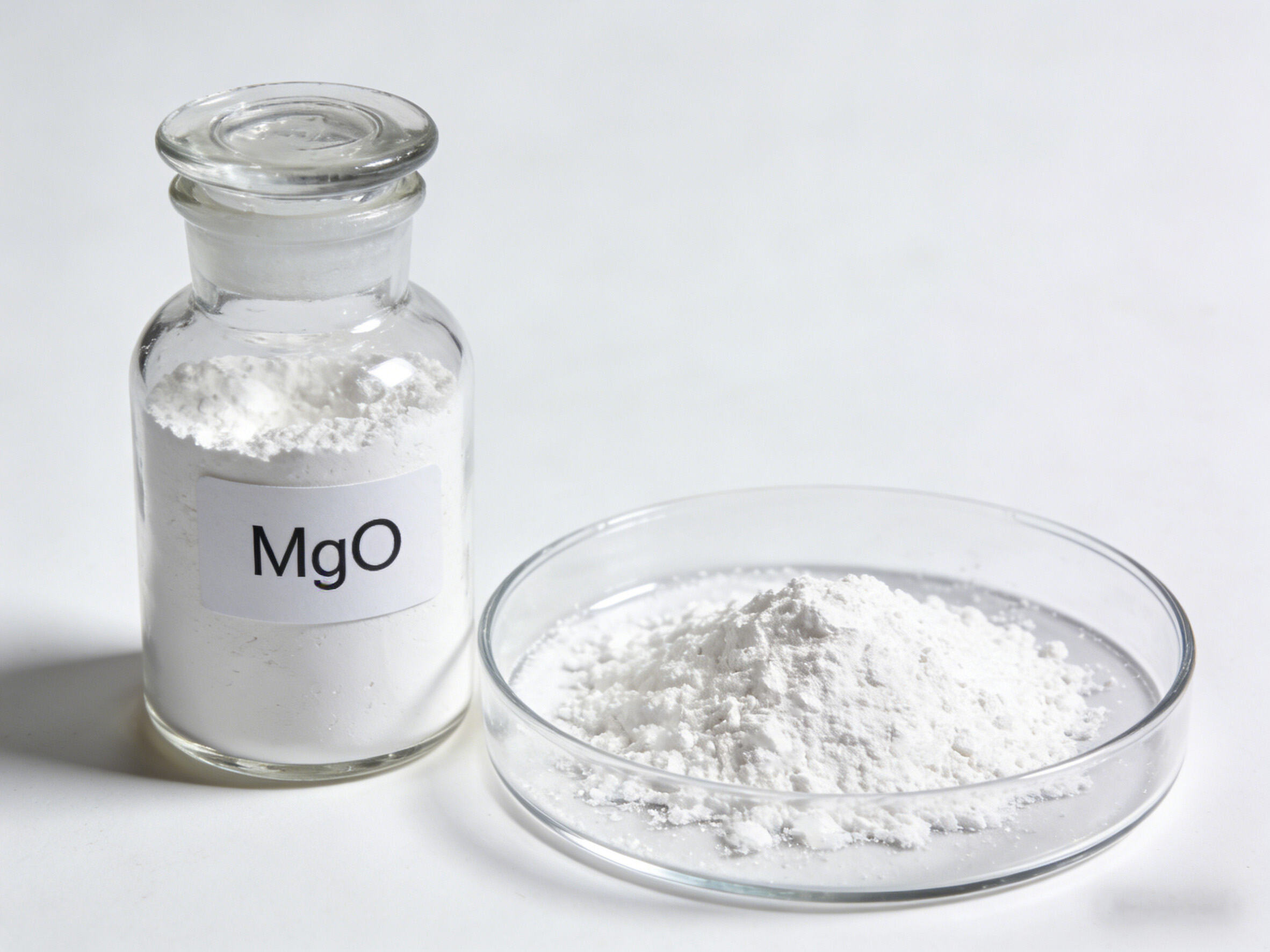
Match Magnesium Oxide Specifications to Core Industrial Applications
Refractory & Steelmaking: Prioritizing Thermal Stability and Corrosion Resistance
Most industrial furnaces need magnesium oxide that's at least 97% pure to handle extreme heat above 2000 degrees Celsius and stand up to slag corrosion problems. When manufacturers use this premium quality material in their steelmaking operations, they find that furnace linings last much longer than when using cheaper alternatives. Some industry reports suggest replacements happen about 40% less often with these higher quality materials. What makes dead burned magnesium oxide so special is its unique crystal structure that resists sudden temperature changes. This property becomes really important in critical areas like ladles where things get super hot, rotary kilns during processing, and those tough conditions inside electric arc furnaces where everything is constantly expanding and contracting.
Environmental Remediation & Chemical Synthesis: Balancing Reactivity, Purity, and Solubility
When dealing with acid neutralization in wastewater treatment, reactive magnesium oxide needs just the right solubility profile. Most effective results come from materials that dissolve around 90 to 95 percent within a day. Moving over to pharmaceutical work, particle size matters a lot. Anything under five microns with nearly perfect 99.9% purity helps avoid those pesky catalyst poisons. And don't forget about heavy metals either they need to stay well below 50 parts per million if we want to pass EPA standards. Carbon capture presents another challenge altogether. Here, surface area becomes king. Materials with more than 30 square meters per gram really boost CO2 absorption rates. So basically, when looking at these applications, both reactivity and available surface area end up being the main factors determining how well things actually perform in practice.
Agriculture & Electrical Insulation: Tailoring Particle Size and Dielectric Performance
- Agriculture: Granular formulations (1–3 mm) enable slow-release magnesium supplementation, increasing crop yields by 18% when soil Mg²⁺ levels fall below critical thresholds
- Electrical insulation: Nano-scale particles (<100 nm) create dielectric barriers in high-voltage equipment, with purity >99% preventing current leakage at 15 kV/mm field strength
- Polymer composites: 45–75 µm particles enhance flame retardancy while maintaining tensile strength in cable sheathing applications
Verify Magnesium Oxide Purity, Impurity Limits, and Regulatory Certifications
Minimum 96% MgO Content with Strict SiO₂, CaO, and Heavy Metal Thresholds
For industrial applications, magnesium oxide needs at least 96% purity to work properly. When there's too much silicon dioxide present, it actually weakens refractory materials because it creates those pesky low melting point mixtures called eutectics. Calcium oxide levels that get too high can speed up corrosion problems when used in steelmaking slags. The heavy metal content matters too. Lead and cadmium concentrations should stay under 50 parts per million otherwise we run into serious environmental issues and might not pass regulatory checks, particularly important if the product goes into agriculture or site remediation projects. Labs need to test all these specs independently before anything gets approved for use in critical industries where safety standards are strict.
Essential Compliance: ASTM C1012, ISO 9001, and EN 197-1 for Traceability and Consistency
Getting certified shows that a company follows certain technical specs and maintains strict control over their supply chains. Take ASTM C1012 for example it's all about how materials hold up against chemicals in construction settings. Then there's ISO 9001 which keeps things consistent when producing batches of products. And let's not forget EN 197-1, the standard for cement products that demands complete tracking of materials right from where they come from to what ends up on site. All these standards help avoid problems down the road. We've seen cases where magnesium oxide that didn't meet requirements caused major equipment breakdowns and landed companies with fines over seven hundred forty thousand dollars according to a study by Ponemon Institute back in 2023.
Assess Calcination Process and Raw Material Origin to Predict Magnesium Oxide Reactivity
How reactive magnesium oxide becomes depends mostly on two things: the temperature it gets heated to during calcination and where the raw materials come from. When we talk about light-burned MgO, which is made between around 700 and 1000 degrees Celsius, it keeps those tiny pores and lots of surface area that makes it work so fast at neutralizing stuff. That's why it's great for treating wastewater and cleaning up contaminated soil. On the flip side, dead-burned MgO goes through much hotter temperatures above 1500°C, making it pretty inert but super stable when exposed to heat. This stability makes it perfect for lining furnaces and other high temperature equipment. The source of the raw material matters too. Magnesium oxide from seawater might have small amounts of chloride that actually speed up corrosion problems. Magnesite based products tend to be purer overall, though they still have varying levels of silica and lime impurities depending on where they're mined. Some companies are trying to recycle industrial waste by heating it at about 800-900°C to get roughly 80% active content, but there's always some leftover contamination that needs careful removal before putting it into actual applications. Engineers spend a lot of time looking at these different factors - how hot something was burned, where the minerals came from, what impurities are present - to predict exactly how reactive a particular batch will be for specific jobs in the field.
Evaluate Particle Size Distribution and Surface Area for Functional Fit
The way particles are sized and distributed, often called PSD, really matters for how materials behave functionally. When we talk about fine particles around 1 to 5 microns in diameter, they pack together tightly and help things stick better during processes like making refractory binders or working with ceramic materials. On the flip side, bigger particles measuring between 15 and 45 microns tend to work well when we need something to release slowly over time, such as in acid neutralization treatments or when adding fillers to products. Looking at surface area is another important factor. This gets measured using this technique called BET gas adsorption. Basically, it tells us about all those little spots where reactions can happen. Materials with surface areas above 10 square meters per gram will hydrate faster in wastewater treatment applications, which sounds great until we start dealing with problems like excessive dust formation and clumping issues unless proper dispersants are added to keep everything separated.
D50 Ranges: Fine (1–5 µm) for Refractories vs. Coarse (15–45 µm) for Neutralizers and Fillers
Getting particle size distribution right makes all the difference when it comes to material usage and how reliable processes actually are. For steelmaking refractories, they need those really fine magnesium oxide particles around 1 to 5 microns in diameter. These tiny particles help pack things together better and stand up against molten slag during the sintering process. On the flip side, environmental cleanup projects work best with larger grain sizes, typically between 15 and 45 microns. Bigger particles last longer when adjusting pH levels and stop contaminants from washing away too quickly. When we talk about narrow particle size ranges, this matters a lot for keeping slurries mixed properly without settling issues. Electrical ceramic manufacturers especially care about this because consistent particle sizes mean predictable electrical properties across their products.
FAQ
What is the purity requirement for magnesium oxide in industrial applications?
For most industrial applications, magnesium oxide needs to be at least 96% pure to function properly and meet safety and performance standards.
How does particle size distribution affect magnesium oxide's performance?
Particle size distribution affects how materials behave functionally. Fine particles are better for applications like refractory binders, while coarse particles are suited for slower release in treatments like acid neutralization.
Why is surface area important in magnesium oxide applications?
Surface area is crucial for maximizing chemical reactivity and absorption rates, such as capturing CO2 in environmental projects or enhancing reactivity rates in chemical synthesis.
What are the critical certifications for magnesium oxide in industrial use?
Important certifications include ASTM C1012 for chemical resistance, ISO 9001 for quality management, and EN 197-1 for complete traceability in cement product applications.
Table of Contents
- Match Magnesium Oxide Specifications to Core Industrial Applications
- Verify Magnesium Oxide Purity, Impurity Limits, and Regulatory Certifications
- Assess Calcination Process and Raw Material Origin to Predict Magnesium Oxide Reactivity
- Evaluate Particle Size Distribution and Surface Area for Functional Fit
- FAQ